
A small outdoor area can still become a beautiful place to relax, grow plants, and enjoy fresh air. You do not need a large backyard or an expensive landscape project to create a garden you love. With the right layout, suitable plants, and a little creativity, even a narrow patio, balcony, courtyard, or tiny backyard can feel welcoming.
The best small garden ideas focus on using available space wisely instead of trying to fit too many things into one area. Vertical planting, containers, raised beds, compact furniture, and carefully selected plants can help you create a garden that feels organized rather than crowded.
If you are a beginner, start with one or two simple changes. You can improve the space gradually as you learn what works for your sunlight, soil, watering routine, and lifestyle.
1. Use Vertical Space
One of the easiest small garden ideas is to stop thinking only about the floor. Walls, fences, railings, and trellises can all become growing spaces.
A vertical garden allows you to add greenery without taking up much walking or sitting space. You can use wall-mounted pots, hanging baskets, climbing plants, or a simple trellis.
Herbs, trailing flowers, and some vegetables can work well in vertical containers. Before attaching heavy planters to a wall or balcony, make sure the surface can safely support them.
Vertical planting is especially useful when your garden is narrow. Instead of spreading plants across the ground, you move some of the greenery upward.
2. Create a Simple Container Garden
Containers are another flexible option for small garden ideas because they can be moved whenever your needs change.
You can use pots, wooden planters, troughs, or other suitable containers. Grouping several containers together can create a garden zone without requiring a permanent planting bed.
Choose containers according to the mature size of the plants. A container that is too small can restrict roots and may require more frequent watering.
For beginners, start with a few plants that match the amount of sunlight your space receives. Herbs, flowers, leafy greens, and compact ornamental plants can be good choices depending on your local conditions.
3. Add a Narrow Raised Bed
A raised bed can make a small garden more organized while giving you a dedicated area for plants.
When considering small garden ideas, a narrow raised bed can be especially useful along a wall or fence. It creates a clear planting zone while leaving enough room for movement.
You do not need to build a large bed. A compact rectangular design may be enough for herbs, salad greens, flowers, or other suitable plants.
Keep the bed narrow enough that you can comfortably reach the plants from the accessible sides. Easy access will make watering, pruning, harvesting, and removing weeds much simpler.
4. Make One Corner the Main Feature
A tiny garden does not need many decorative features. One attractive focal point can make the entire space feel more intentional.
Among the most useful small garden ideas is creating a feature in an otherwise unused corner. You could place a large container, a small tree, a decorative planter, a trellis, or a simple garden ornament there.
The goal is not to fill the corner with objects. Instead, give the eye one clear place to look.
A focal point can also make the garden feel deeper because it encourages visitors to look toward the far end of the space.
5. Choose Plants That Fit the Space
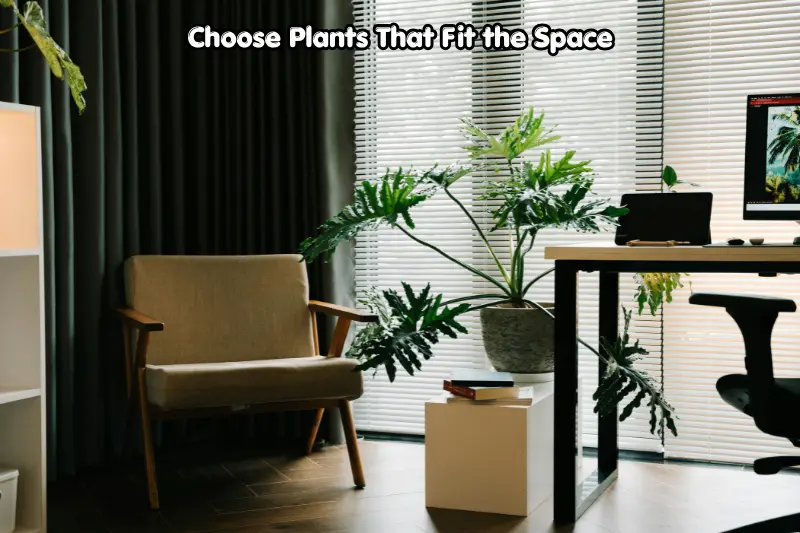
Plant selection matters just as much as layout. A plant that eventually becomes too large can make a compact garden feel crowded.
When comparing small garden ideas, think about the mature size of every plant rather than its size when you buy it.
Compact shrubs, smaller perennials, herbs, annual flowers, and suitable climbing plants can help you create variety without overwhelming the area.
Also consider sunlight. A plant that needs full sun may struggle in a shaded corner, while a shade-tolerant plant may perform better there.
Always check the growing requirements for plants in your local climate before buying them.
6. Try a Small Vegetable or Herb Garden
You do not need a large yard to grow food. A few containers or a compact raised bed can provide space for herbs and selected vegetables.
This is one of the most practical small garden ideas for beginners because you can start with just a few plants.
Basil, mint, parsley, chives, lettuce, and other suitable crops may work well in containers depending on your climate and available sunlight.
Growing edible plants also makes your garden more useful. Instead of creating a space that only looks attractive, you can create something that provides ingredients for everyday meals.
Start small. Growing five healthy plants is better than filling every available space with plants that become difficult to maintain.
7. Use a Folding or Compact Seating Area
If you want your garden to be a place for relaxation, include seating without allowing furniture to dominate the space.
A small bench, folding chair, or compact bistro-style table can work well. This approach is one of the small garden ideas that combines beauty with everyday function.
Choose furniture that matches the scale of the garden. Oversized chairs can make a tiny space feel even smaller.
If possible, use furniture that can be folded, moved, or stored when it is not needed. This gives you more flexibility when watering plants, cleaning the area, or hosting guests.
8. Create Layers With Different Plant Heights
A flat garden can look less interesting, while a layered garden can feel fuller without requiring much additional floor space.
One of the smartest small garden ideas is to combine plants at different heights.
You might place low-growing plants at the front, medium-height plants behind them, and taller plants or climbers toward the back.
This creates visual depth. It also helps you use vertical space naturally.
Try not to use too many different plant types. A limited selection repeated throughout the garden can create a more cohesive appearance.
9. Keep the Color Scheme Simple
Too many colors can make a small garden look busy. A simple color palette often creates a calmer and more spacious appearance.
When exploring small garden ideas, choose two or three main flower colors and support them with different shades of green.
You can also repeat the same color in planters, cushions, or small decorative features.
This does not mean your garden has to look boring. Different leaf shapes, textures, heights, and flower forms can add interest even when the color palette is limited.
10. Make a Narrow Path or Clear Walking Area
A garden needs room to move around. If plants and furniture cover every available area, maintenance becomes difficult.
One practical approach among small garden ideas is to create a simple walking route before adding plants.
The path does not have to be wide or expensive. Gravel, stepping stones, paving, or another suitable surface can define the route.
A clear path also helps separate different functions. For example, you might have a planting area on one side and a small seating area on the other.
Keep the design simple so the garden remains easy to use.
11. Add Lighting for Evening Use
Good lighting can make a compact garden enjoyable after sunset.
Simple solar lights, small lanterns, or suitable outdoor lighting can highlight paths, plants, seating areas, or architectural features.
Lighting is one of the small garden ideas that can change the atmosphere without taking up much physical space.
Avoid placing too many lights close together. A few carefully positioned lights can often create a more attractive result than covering every corner with bright fixtures.
For permanent electrical lighting, use outdoor-rated equipment and follow appropriate safety requirements.
12. Leave Some Open Space
It may seem strange to leave part of a small garden empty, but open space can actually make the entire area feel larger.
This is one of the most important small garden ideas because beginners often try to use every available inch.
Instead of filling every corner with plants, decide where you want visual breathing room.
An open patch can provide space for walking, sitting, children, pets, or simply enjoying the view.
A successful small garden is not about having the most plants. It is about creating a comfortable balance between greenery, function, and empty space.
How to Plan Your Small Garden Before You Start
Before buying plants or furniture, spend a little time looking at the space.
Measure the available area and note where sunlight falls during the day. Think about whether the garden receives full sun, partial shade, or mostly shade.
Then decide what you want the garden to do.
Do you want a relaxing sitting area? Do you want to grow herbs and vegetables? Do you mainly want flowers and greenery? Or do you want a combination?
The best small garden ideas are based on the actual needs of the person using the space.
Once you know the purpose, divide the garden into simple zones. You might have a planting zone, a sitting zone, and a narrow path.
This prevents random purchases and makes the final design easier to manage.
How to Make a Small Garden Look Bigger
There are several simple ways to make a compact garden appear more spacious.
First, avoid unnecessary clutter. Too many decorations, large furniture pieces, and unrelated planters can make the area feel smaller.
Second, use vertical planting. Moving plants upward creates more greenery without consuming additional floor space.
Third, create a focal point at the far end of the garden. This can encourage the eye to travel through the space.
Fourth, keep materials and colors reasonably consistent. A unified design can make separate areas feel connected.
These principles appear repeatedly in successful small garden ideas because they improve both appearance and usability.
Low-Maintenance Choices for Beginners
If you are new to gardening, do not choose plants only because they look attractive in a photograph.
Every plant has different requirements for water, light, soil, feeding, pruning, and temperature.
Start with plants that suit your actual growing conditions. If you have limited time, choose options that are known to be suitable for your climate and level of care.
Containers can also make maintenance easier because you can control the growing medium and move plants when necessary.
Simple small garden ideas are often better for beginners than complicated designs with many plant varieties.
Budget-Friendly Garden Improvements
You do not have to spend a lot of money to improve a small outdoor area.
Start by using what you already have. Existing pots can be rearranged, unused corners can be cleaned, and old furniture may be refreshed if it is safe and suitable for outdoor use.
You can also make simple planters from appropriate reused materials, provided they are clean, safe, and suitable for growing plants.
Instead of completing the entire garden at once, improve it in stages.
First create the layout, then add plants, followed by seating or decoration. This approach gives you time to see what works before spending more money.
Many effective small garden ideas are based more on thoughtful planning than expensive materials.
Common Mistakes to Avoid
One common mistake is buying too many plants before deciding where they will go.
Another is ignoring the mature size of plants. A small plant at the garden center can eventually become much larger.
Poor watering habits can also cause problems. Some plants need consistently moist soil, while others prefer the soil to dry somewhat between watering.
Another mistake is making the garden too complicated. If every corner has a different style, color, or material, the result may feel messy.
Instead, choose a clear design direction and repeat a few elements throughout the space.
Small Garden Ideas for Different Spaces
The same design does not work for every type of small outdoor area.
For a small balcony, containers, railing planters, and vertical planting can provide greenery while preserving walking space. Always consider the balcony’s weight limits before adding heavy planters.
For a small patio, container plants combined with compact seating can create a comfortable outdoor room.
For a narrow backyard, vertical planting and a simple path can help use the length of the garden effectively.
For a small front garden, low plants, attractive containers, and a clear entrance path can improve the appearance without blocking access.
For a courtyard, layered planting and a central seating point can create a private, relaxing atmosphere.
The key is to adapt small garden ideas to the shape, sunlight, and purpose of your own space rather than copying another garden exactly.
Final Tips for Building Your Garden
Start with the space you have instead of wishing for a larger one.
Measure the area, understand its sunlight, decide how you want to use it, and then choose plants and furniture that support that purpose.
Use vertical surfaces whenever possible. Select plants according to their mature size. Keep paths clear, avoid unnecessary clutter, and leave some open space.
You can also add one attractive focal point and a small amount of lighting to make the garden feel more complete.
Most importantly, give yourself time. A garden does not have to be finished in one weekend.
The best small garden ideas are the ones that make your outdoor area easier to use, easier to maintain, and more enjoyable every day.
Frequently Asked Questions
What is the easiest way to improve a small garden?
Start by removing clutter and creating a simple layout. Then add a few suitable plants, containers, or vertical planters. You do not need to change everything at once.
How can I make a small garden look bigger?
Keep the design simple, use vertical planting, create a clear path, repeat a limited color palette, and leave some open space. A focal point at the far end can also add visual depth.
What plants are best for a small garden?
The best plants depend on your climate, sunlight, soil, and available space. Compact plants, herbs, smaller flowers, and suitable climbing plants can work well when their growing requirements match your conditions.
Can I grow vegetables in a small garden?
Yes. Containers, hanging planters, and compact raised beds can provide useful growing space. Start with a few vegetables or herbs that are suitable for your climate and sunlight.
Do I need a big budget for a small garden?
No. You can begin with basic plants, containers, and simple improvements. Building the garden gradually allows you to control costs and learn what works in your particular space.