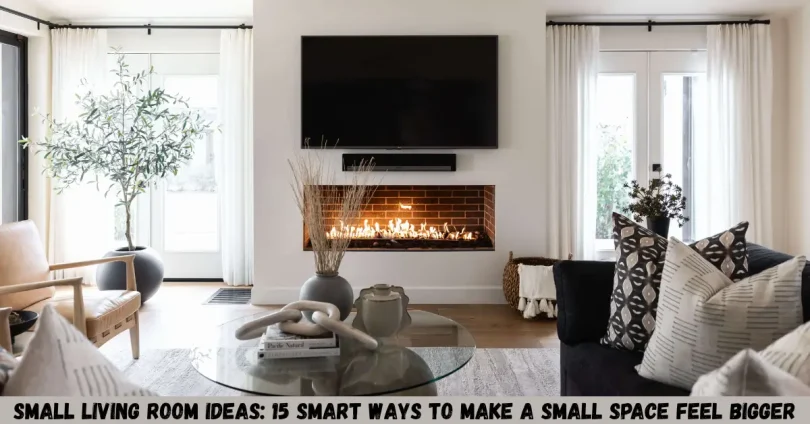

Small Living Room Ideas for a More Spacious Home
Small living room ideas can make a compact space look larger, more comfortable, and more attractive without requiring a major renovation. The right furniture, colours, lighting, storage, and layout can completely change how a small living room feels.
For Indian homes, where apartments and compact flats often have limited living space, smart planning is especially useful. You do not need to fill every corner with furniture or spend a large amount of money to create an impressive room.
This guide covers practical small living room ideas, including furniture selection, wall colours, lighting, storage, mirrors, layouts, decoration, common mistakes, and budget-friendly improvements. Whether you live in a small apartment, rented flat, studio, or compact family home, these ideas can help you use every available metre more effectively.
1. Choose Furniture That Fits the Room
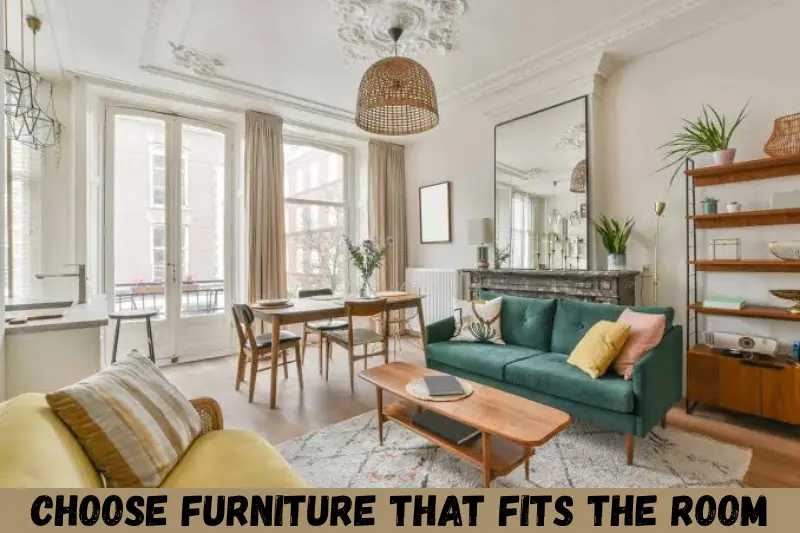
The first rule for a small living room is simple: choose furniture according to the available space, not according to the size of furniture you like.
A large sofa can quickly make a compact room feel crowded. Instead, consider a two-seater sofa, compact three-seater, loveseat, or slim-profile seating arrangement.
Furniture with visible legs can also create a lighter appearance because more of the floor remains visible.
Practical furniture choices
Consider:
- A compact sofa instead of an oversized sectional
- Nesting tables instead of a large centre table
- Slim armchairs instead of bulky recliners
- Wall-mounted shelves instead of large cabinets
- Furniture with built-in storage
- Lightweight stools that can be moved when needed
Before purchasing furniture, measure the room and the furniture carefully. Remember to consider door openings, windows, walking paths, and access to electrical sockets.
2. Use Light Colours to Open Up the Space
Light colours are among the easiest small living room ideas to apply.
Soft white, cream, beige, light grey, pastel green, pale blue, and other muted shades can create a clean and airy appearance. This does not mean your entire room has to be plain white.
You can introduce colour through cushions, curtains, artwork, rugs, plants, and small decorative objects.
For an Indian home, warm neutrals can work particularly well because they can complement wooden furniture, natural fabrics, and warm lighting.
A simple colour combination
Try:
- Cream or off-white walls
- Light wooden furniture
- Beige or neutral sofa
- Green indoor plants
- One or two darker accent pieces
Keeping the main surfaces relatively light can make the room feel visually less heavy.
3. Add a Large Mirror
A strategically positioned mirror can make a small living room appear more open by reflecting light and creating additional visual depth.
A large mirror placed opposite or near a window can reflect natural light into the room. You can also use a decorative full-height mirror against an appropriate wall.
However, avoid covering every wall with mirrors. One well-positioned mirror is often more effective than several small ones.
Mirror placement tips
Try placing a mirror:
- Opposite a window
- Behind a console table
- Above a compact sofa
- On a wall that needs more visual depth
Choose a frame that matches the room rather than treating the mirror as a completely separate decoration.
4. Keep the Floor as Visible as Possible
One of the most effective ways to make a small room feel less crowded is to keep the floor visually open.
Furniture that sits directly on the floor can sometimes make the room feel heavier. Sofas, tables, and cabinets with raised legs can create a sense of openness.
Avoid placing unnecessary objects on the floor.
For example, instead of keeping several storage boxes, decorative baskets, and stools around the room, select multifunctional pieces that serve more than one purpose.
5. Choose a Compact Coffee Table
A coffee table is useful, but a large one can interfere with movement.
For smaller rooms, consider a round, oval, nesting, or narrow rectangular table. Rounded edges can also make movement around the table more comfortable.
Another useful option is an ottoman with hidden storage. It can work as seating, a footrest, a table surface, and storage depending on how you use it.
This is one of the best small living room ideas for people who want functionality without adding too many separate pieces.
6. Use Vertical Space for Storage
When floor space is limited, look upward.
Walls provide valuable storage opportunities without taking away much walking space. Floating shelves, tall cabinets, wall-mounted TV units, and vertical bookcases can help you organise belongings more efficiently.
Smart vertical storage options
You can use:
- Floating shelves
- Tall narrow cabinets
- Wall-mounted television units
- Vertical bookcases
- Wall hooks
- Hanging planters
- Decorative wall storage
Keep frequently used items within easy reach and reserve higher shelves for less frequently used belongings.
7. Mount the Television on the Wall
A television unit can occupy a surprising amount of floor space.
If your room layout allows it, wall-mounting the TV can free up valuable floor area. A slim floating cabinet underneath can provide storage while maintaining a cleaner appearance.
Hide or organise cables wherever possible. Visible cables can make even a well-designed room look cluttered.
If you prefer a TV cabinet, choose one with a slim depth rather than a large entertainment centre.
8. Make Natural Light Work for You
Natural light can make a compact living room feel brighter and more open.
Avoid blocking windows with tall furniture. Keep curtains relatively simple and select fabrics that allow sufficient daylight into the room when privacy requirements permit.
For Indian homes, curtains can also help manage strong sunlight and heat. Light-filtering curtains can provide privacy while maintaining a brighter interior.
Try this simple approach
Place larger furniture away from the main window where possible, keep the window area uncluttered, and use lighter window treatments.
The goal is not simply to add more light but to prevent the room from feeling visually closed.
9. Layer Your Lighting
Good lighting can transform a small living room after sunset.
Instead of depending entirely on one bright ceiling light, use multiple light sources at different heights.
For example, combine:
- Ceiling lighting
- Wall sconces
- A slim floor lamp
- Table lamps
- Accent lighting
Warm lighting can create a comfortable atmosphere, while brighter task lighting can help when reading or working.
The best arrangement depends on the room’s natural light, ceiling height, furniture layout, and activities.
10. Use a Rug to Define the Seating Area
A rug can make a small living room feel more organised by visually defining the seating zone.
However, choosing the wrong rug size can have the opposite effect.
A very small rug floating in the centre of a room may make the furniture arrangement look disconnected. Whenever possible, select a rug that works with the dimensions of your seating area.
Neutral patterns can keep the room calm, while a subtle geometric design can add personality without overwhelming the space.
11. Use Multifunctional Furniture
Multifunctional furniture is especially valuable when every bit of space matters.
Instead of buying separate furniture for every purpose, look for pieces that perform multiple jobs.
Examples include:
- Storage ottomans
- Sofa beds
- Nesting tables
- Storage benches
- Foldable tables
- Wall-mounted desks
- Coffee tables with shelves
For a small Indian apartment, a storage ottoman could provide additional seating while also hiding blankets, books, or other items.
This approach reduces clutter and helps you get more functionality from fewer pieces.
12. Add Plants Without Overcrowding the Room
Indoor plants can bring colour and natural character to a living room.
But a small room does not need a large collection of plants.
One tall plant in an unused corner or a few small plants on a shelf can be enough. Hanging planters can also introduce greenery without taking up valuable floor space.
Choose plants according to the available sunlight and the amount of care you can realistically provide.
Avoid placing plants where they block walking paths, windows, or frequently used furniture.
13. Create One Strong Focal Point
A small living room does not need dozens of decorative elements.
Instead, choose one main focal point. This could be:
- A textured accent wall
- A large artwork
- A stylish sofa
- A statement mirror
- A television wall
- A distinctive lighting fixture
Once you have selected your focal point, keep surrounding decoration relatively simple.
This creates visual hierarchy and prevents the room from looking chaotic.
14. Keep Decoration Minimal but Personal
Minimal does not mean boring.
The best small living room decor combines useful objects with a few personal details. Family photographs, artwork, books, cushions, ceramics, or travel souvenirs can make the room feel personal.
The important thing is editing.
Before adding another decorative item, ask whether it improves the room or simply fills empty space.
A small collection of meaningful pieces generally works better than covering every available surface.
15. Create a Clear Walking Path
A beautiful living room can still be uncomfortable if people have to squeeze between furniture.
Before finalising your layout, identify the main route through the room. Keep this path as open as practical.
For example, if the living room connects the entrance to another part of the home, avoid positioning a large coffee table or chair directly in the natural walking route.
An easy layout method
Start with the largest item, usually the sofa. Then position the TV or main focal point. Add the coffee table, secondary seating, rug, lighting, and storage last.
This prevents you from filling the room randomly and discovering later that there is not enough space to move around.
Small Living Room Ideas: What Works Best?
| Idea | Main Benefit | Best For |
|---|---|---|
| Light wall colours | Creates an airy appearance | Dark or compact rooms |
| Large mirror | Adds visual depth | Rooms with limited natural light |
| Wall-mounted TV | Saves floor space | Small apartments |
| Multifunctional furniture | Adds functionality | Compact family homes |
| Floating shelves | Uses vertical space | Limited storage |
| Compact sofa | Improves movement | Narrow living rooms |
| Layered lighting | Creates atmosphere | Rooms used day and night |
| Minimal decor | Reduces visual clutter | Very small rooms |
How to Plan a Small Living Room on a Budget
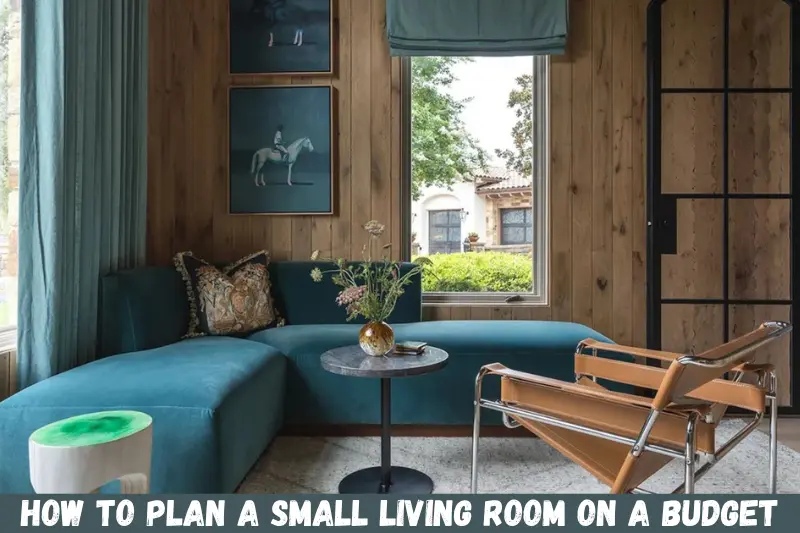
You do not have to replace everything to improve a small living room.
Start with the biggest problems first.
Step 1: Remove unnecessary items
Take everything out that you rarely use or that makes the room feel crowded.
Step 2: Rearrange existing furniture
Try different layouts before buying anything. Sometimes moving a sofa or table can create significantly better movement.
Step 3: Improve the lighting
Replace harsh or poorly positioned lighting with a better combination of ceiling, task, and accent lights.
Step 4: Add one mirror
A properly positioned mirror can provide a noticeable visual improvement without requiring major changes.
Step 5: Introduce selected accessories
Add cushions, artwork, plants, curtains, or a rug only after the basic layout works.
This approach is more cost-effective than buying decorative products first.
Common Mistakes to Avoid in a Small Living Room
Even good small living room ideas can fail if the room becomes overloaded.
Buying oversized furniture
A large sofa may look impressive in a showroom but feel completely different in a compact apartment.
Using too many colours
Too many competing colours can make a small space look busy. A simple base palette with a few accent colours is usually easier to manage.
Blocking windows
Tall furniture placed directly in front of a window can reduce natural light and make the room feel enclosed.
Using too many decorations
Every shelf does not need to be filled. Empty space is also part of good interior design.
Choosing furniture before measuring
Always measure the room, doorways, lift or staircase access, and furniture dimensions before purchasing.
Ignoring storage
If everyday belongings have nowhere to go, clutter will quickly return. Include storage in the design from the beginning.
Are Small Living Room Ideas Suitable for Indian Homes?
Yes. These ideas can work particularly well in Indian apartments, flats, and compact houses because they focus on efficient use of space rather than expensive renovation.
For example, a compact sofa, wall-mounted TV, vertical storage, lighter colours, and multifunctional furniture can help maximise a smaller living area.
You should also consider local factors such as strong sunlight, dust, ventilation, family usage, and cleaning requirements. Materials and fabrics that are easy to maintain can be practical choices for busy households.
If you follow Vastu principles, you can also adapt the furniture arrangement and placement of decorative elements according to your personal preferences and the specific layout of your home rather than sacrificing comfort or functionality.
How Can I Make a Very Small Living Room Look Bigger?
Start by reducing visual clutter and selecting appropriately sized furniture. Use lighter colours, keep windows unobstructed, introduce a large mirror, and maintain clear walking paths.
Wall-mounted storage and multifunctional furniture can also reduce the amount of floor space being used. The goal is not to make the room physically larger but to make it feel more open and organised.
Frequently Asked Questions
What are the best small living room ideas for a small apartment?
The most useful ideas include choosing compact furniture, using light colours, adding a large mirror, mounting the TV on the wall, using vertical storage, and keeping walking paths clear. Multifunctional furniture such as storage ottomans and nesting tables can also provide more functionality without taking up unnecessary floor space.
Which colour is best for a small living room?
Light and soft colours such as off-white, cream, beige, pale grey, and muted pastels can help a small living room feel brighter and more spacious. You can still add stronger colours through cushions, artwork, rugs, plants, and other accessories without making the main space feel visually heavy.
Does a mirror make a small living room look bigger?
A well-positioned mirror can create the visual impression of greater depth and can reflect available light. Placing a larger mirror near or opposite a window can be particularly effective. However, mirrors should be used strategically rather than covering multiple walls, which can make the room feel visually busy.
How can I decorate a small living room without making it look crowded?
Start with essential furniture and leave enough open space for comfortable movement. Then add a limited number of decorative elements such as artwork, cushions, plants, or a rug. Choose accessories that complement one another instead of using many unrelated colours, patterns, and objects.
What furniture is best for a small living room?
Compact sofas, nesting tables, storage ottomans, slim cabinets, wall-mounted units, and furniture with raised legs are useful choices. Multifunctional furniture is especially practical because one item can perform several roles. Always measure both the furniture and the available room before purchasing to ensure the layout remains comfortable.
Conclusion
The best small living room ideas are not about putting more things into a limited space. They are about making better decisions about furniture, colour, lighting, storage, decoration, and movement.
Start by measuring your room and identifying what is genuinely necessary. Choose furniture that fits the space, use vertical storage, keep natural light available, and introduce multifunctional pieces wherever possible. A large mirror, suitable rug, layered lighting, and carefully selected accessories can then add style without overwhelming the room.
For an Indian home, practical details such as easy-to-maintain materials, sunlight, ventilation, family usage, and available storage should also influence your choices.