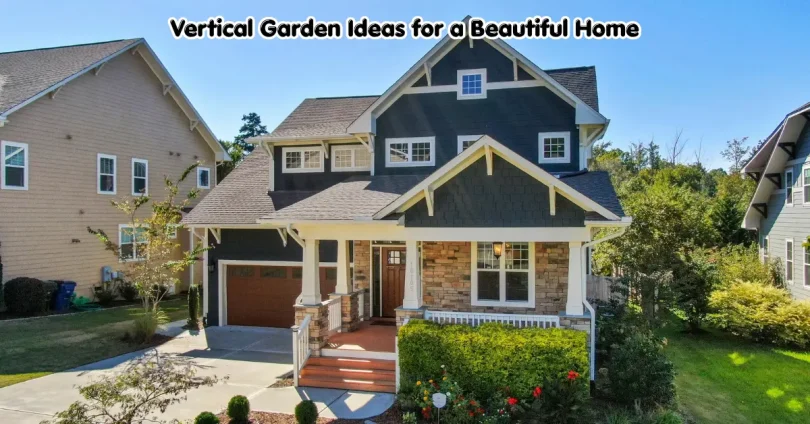

Vertical garden ideas can turn a blank wall, balcony corner, fence, or small patio into a fresh green feature without using much floor space. The best approach is not to copy a complicated design simply because it looks good in a photo. Instead, choose a setup that matches your light, available space, plants, watering routine, and budget.
This guide brings together practical vertical garden ideas for beginners, including simple vertical garden ideas for renters, homeowners, families, and small-space gardeners. You will find simple DIY options, indoor and outdoor designs, edible gardens, decorative displays, and useful care tips. The goal is to help you create a garden that looks attractive and remains easy to maintain.
Why Vertical Gardening Works
Vertical gardening means using height to grow plants instead of spreading everything across the ground. A wall, trellis, shelf, hanging frame, railing, or freestanding structure can become growing space.
For a small home, this can make a big difference. You may have only a narrow balcony but still have a wall that receives several hours of light. You can use that wall for herbs, flowers, leafy greens, or trailing plants.
Another benefit is organization. Plants placed at different heights can make a space feel layered and lively. A vertical setup can also create privacy, soften a plain fence, or make a boring corner feel more welcoming.
The smartest vertical garden ideas also consider practical details such as drainage, support strength, plant size, and access for watering. A beautiful arrangement is much easier to enjoy when you can reach every pot without struggling. This is one reason simple vertical garden ideas often work better for beginners.
1. Wall-Mounted Pocket Planters
Fabric pocket planters are one of the easiest vertical garden ideas for beginners. They contain separate pockets where small plants can grow, and the whole panel can be attached to a suitable wall or frame. They are also useful when you want affordable vertical garden ideas for a blank wall.
They work especially well for herbs, small flowers, leafy greens, and compact houseplants. For renters, these vertical garden ideas can also be adapted to removable frames.
Because each pocket is separate, you can replace one plant without disturbing the others.
Before mounting a pocket system, check the wall and the weight of the pockets after watering. Place a waterproof layer behind the planter if needed, and make sure excess water has somewhere safe to go.
2. Wooden Pallet Garden
A clean, sturdy wooden pallet can become a simple planting frame. Pallet vertical garden ideas are popular because the layout can be changed over time. This is one of the most popular DIY vertical garden ideas because the materials can be affordable and the design is easy to customize. It is also one of the easiest vertical garden ideas to personalize.
You can attach small pots to the pallet, create planting compartments, or lean the pallet securely against a wall. Paint or stain it if you want a more finished look, but avoid coatings that are unsafe for edible plants.
Do not use a pallet simply because it is available. Look for a sound, clean pallet and avoid wood that may have been treated with unsuitable chemicals. Stability matters more than appearance.
3. Ladder Plant Stand
An old ladder can become a charming plant display. Ladder-based vertical garden ideas add height while using very little floor area. Place it in a bright corner and add pots to each step. This creates several planting levels without requiring a large footprint.
A ladder works well for balconies, patios, entryways, and indoor rooms with enough natural light. Use similar pots for a neat appearance or mix containers for a relaxed style.
Make sure the ladder is stable and cannot tip. Keep heavier pots lower and lighter pots higher. This simple arrangement is one of the vertical garden ideas that can be moved when you need to clean or rearrange the space.
4. Trellis for Climbing Plants
A trellis is ideal when you want plants to grow upward naturally. It is one of the most practical vertical garden ideas for edible crops. Beans, peas, cucumbers, flowering vines, and other climbing plants can use a strong support as they grow.
The advantage of this design is that the support can be simple. A wooden grid, wire frame, or sturdy garden panel may be enough, depending on the plant.
Give climbing plants enough room to spread. Tie young stems gently when needed, and check the structure regularly as the plant becomes heavier. Good support is especially important after watering or rain.
5. Hanging Gutter Garden
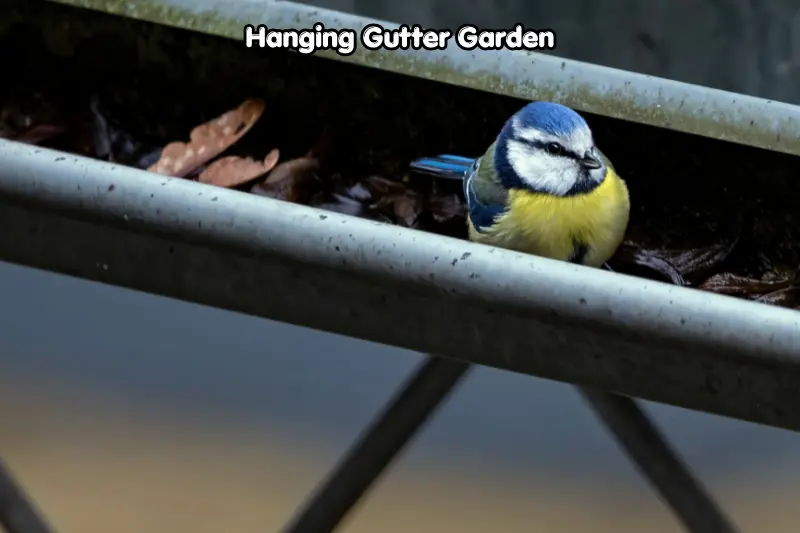
Old rain gutters can be reused as narrow planting containers. Mounted horizontally on a strong frame or wall, they can hold herbs, salad greens, strawberries, and other plants with modest root systems.
This is a creative option for people who have limited floor space. Several gutter rows can be arranged vertically, leaving enough distance between levels for light and maintenance.
Drainage holes are essential. Without proper drainage, roots can stay too wet and plants may struggle. Use a secure mounting system because wet soil can make the gutters surprisingly heavy.
6. Indoor Vertical Plant Wall
You do not need a backyard to enjoy greenery. Some vertical garden ideas work just as well inside an apartment as they do outdoors. An indoor plant wall can bring texture and life to a living room, kitchen, home office, or hallway.
For indoor vertical garden ideas, choose plants according to the actual light available rather than choosing only by appearance. Some plants tolerate lower light, while others need bright indirect light or direct sunlight.
Keep water away from electrical outlets, furniture, and delicate wall surfaces. A removable planter system can be especially useful if you are renting or want to change the arrangement later.
7. Vertical Herb Garden for the Kitchen
A small herb garden can be both attractive and useful. Simple vertical garden ideas for herbs can make a kitchen feel greener without taking over the counter. Mount pots on a rail, wooden board, shelf, or narrow rack near a bright kitchen window.
Good choices can include herbs that suit your local growing conditions and the amount of light available. Labeling each container is helpful for beginners and makes the display look organized.
Among practical vertical garden ideas, a kitchen herb wall is especially rewarding because you can harvest small amounts while cooking. Just avoid placing plants where steam, heat, or cooking grease constantly reaches them.
8. Balcony Railing Planters
A balcony railing can provide valuable vertical growing space. These vertical garden ideas are especially helpful when floor space is limited. Secure planters designed for railings can hold flowers, herbs, or compact vegetables without taking up the main walking area.
Always check that the containers are properly attached and that their weight is suitable for the railing. Consider how water drains so it does not fall onto people, walls, or lower balconies.
For small balconies, use plants with different heights and textures. A trailing plant at the edge, compact plants in the middle, and taller plants near the back can create a fuller display without making the space feel crowded.
9. Freestanding Vertical Garden Frame
If you cannot drill into a wall, a freestanding frame can be a flexible choice. You can build or buy a frame and place pots, baskets, shelves, or pocket planters on it.
This is especially useful for renters. Flexible vertical garden ideas like this make it easier to change your setup without rebuilding the whole space.
A strong base is important. The higher the structure becomes, the more carefully you should think about balance and wind exposure. Keep the heaviest containers near the bottom.
10. Recycled Bottle Garden
Plastic bottles can be reused as small planters when prepared safely and securely. They can be attached to a frame or arranged in rows on a suitable wall.
This type of project is inexpensive and can be fun for families. It is a good starting point when you want vertical garden ideas that use materials already available at home.
Make drainage holes, use clean containers, and avoid sharp exposed edges.
Recycled projects are among the most creative vertical garden ideas because they let you experiment with shapes, colors, and layouts while reducing waste. However, the finished structure should still be stable and easy to water.
11. Vertical Succulent Display
Succulents can create a striking wall display because many varieties stay relatively compact. Succulent vertical garden ideas are especially suitable for sunny spaces. A shallow planter frame, picture-style box, or specialized wall planter can provide a suitable home.
The main rule is to avoid overwatering. Succulents generally prefer a growing medium and container that allow excess water to drain quickly.
Choose plants with similar light and watering needs for the same section. Mixing plants with very different requirements can make maintenance harder.
12. Vegetable Garden That Grows Up
Vertical gardening is not only decorative. You can grow food in a compact area by using supports for suitable crops.
Climbing beans, peas, cucumbers, and some tomatoes can benefit from trellises or cages. Leafy greens and herbs can grow in stacked containers when their light and root-space needs are met.
When planning edible vertical garden ideas, think about the mature size of each plant. A small container may look fine at first but become unsuitable as roots and stems develop.
13. Living Wall With Layered Plants
A living wall can create a dramatic focal point. More advanced vertical garden ideas can use modular systems for a fuller effect. It may use modular planters, pockets, or a purpose-built planting system attached to a wall or frame.
For a beginner, a small section is usually easier than covering an entire wall. Start with plants that have similar light and moisture requirements.
A living wall needs more attention than a few pots. Watering, drainage, pruning, plant replacement, and access all matter. If the system is indoors, protect the wall and floor from leaks.
14. Hanging Basket Tower
Several hanging baskets can be arranged at different heights to create a vertical effect. This gives you another group of vertical garden ideas for porches and balconies. This can work well on a porch, balcony, patio, or covered outdoor area.
Choose baskets that match the available support. The structure must safely carry the combined weight of containers, wet soil, and mature plants.
Trailing flowers or foliage can make the tower look full. Leave enough space between baskets so plants receive adequate light and you can water each level easily.
15. Small Garden Wall With Shelves
Simple shelves can turn a plain wall into an organized plant display. Use different pot sizes, but keep the overall arrangement balanced.
This option is useful for homeowners who want flexibility. Among adaptable vertical garden ideas, shelves are easy to rearrange as plants grow.
Shelves are also easier to clean than many tightly packed planting systems. Make sure the wall anchors and shelf brackets are rated for the total load.
How to Choose the Right Plants
Choosing the plant before choosing the container can prevent many problems. Start by checking how much sunlight your location receives during the day.
For bright areas, consider plants that naturally tolerate stronger light. For shadier locations, choose species that can handle lower light. For edible gardens, select compact varieties when possible.
Think about watering too. If you are often busy, avoid creating a system filled with plants that need constant attention. A smaller garden that you can maintain consistently is better than a large display that becomes neglected.
How to Plan Your Vertical Garden
Start by measuring the wall, balcony, fence, or corner you want to use. Good vertical garden ideas begin with the space, not the decorations. Note the height, width, sunlight, wind, and nearby water source.
Next, decide whether the garden is mainly decorative, edible, or a mixture of both. This will influence the containers and plants you choose.
Among all vertical garden ideas, the most successful ones usually share a few basic qualities: secure support, good drainage, suitable plants, enough light, and easy access for maintenance.
Do not fill every available inch immediately. Leave room for plants to grow and for you to reach the containers. A little empty space can also make the finished design look cleaner.
Common Mistakes Beginners Should Avoid
One common mistake is choosing plants based only on appearance. A beautiful plant may fail if the light or moisture conditions are wrong.
Another mistake is underestimating weight. Even attractive vertical garden ideas can become unsafe if the support is too weak. Wet soil, water, containers, and mature plants can become much heavier than expected. Use strong supports and appropriate anchors.
Poor drainage is another major problem. Containers need a way for excess water to escape. If water collects around the roots, many plants can develop root problems.
Overcrowding is also easy to do. Give each plant enough room for healthy growth and airflow.
Finally, do not make maintenance difficult. If you cannot comfortably reach the top row, you may avoid watering or pruning it.
Easy Maintenance Routine
Check your garden regularly rather than waiting for plants to look unhealthy. Feel the growing medium when appropriate and water according to the plant’s needs.
Remove dead leaves and flowers when necessary. Trim plants that become too large for their space, and inspect leaves for signs of pests or stress.
Rotate movable containers if one side receives much more light than another. For edible plants, harvest regularly when the crop is ready.
A simple routine makes vertical garden ideas much easier to manage. You do not need to spend hours every day. Consistency matters more than complicated care.
Final Thoughts
A successful vertical garden does not have to be expensive, large, or professionally installed. A few well-chosen pots, a sturdy support, and plants suited to your space can create a beautiful result.
The best design is the one that fits your lifestyle. Among the many vertical garden ideas available, the right one is the design you can comfortably maintain. Start small, learn how your space behaves, and add more plants only when you are comfortable with the care routine.
Whether you choose a pocket planter, pallet, trellis, ladder, railing display, or living wall, focus on safety, drainage, sunlight, and easy maintenance. With thoughtful planning, even a narrow corner can become a green and useful part of your home.