
Introduction
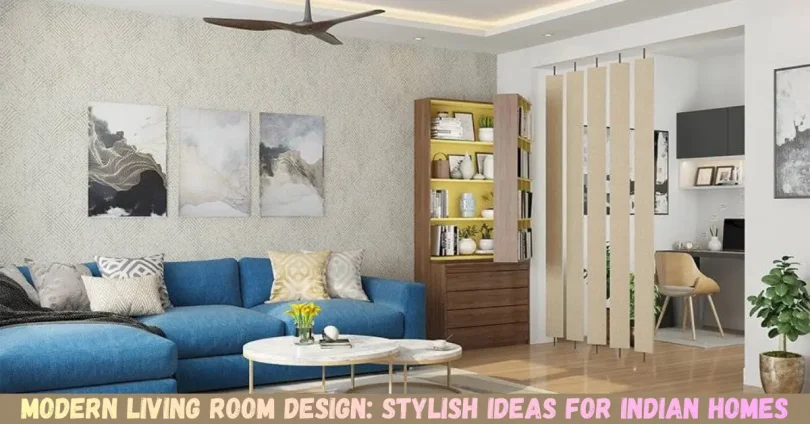
Modern living room design focuses on creating a space that looks stylish, feels comfortable, and works well for everyday life. For Indian homes, the best approach is not simply copying an international interior trend. It is about combining clean modern aesthetics with practical furniture, suitable colours, smart storage, natural light, and the needs of the household.
Whether you have a compact apartment, a large family living room, or an open-plan home, a thoughtful modern living room design can make the space feel more spacious and organised.
This guide explains how to plan a modern living room, choose furniture and colours, improve lighting, decorate walls, use Indian-inspired elements, avoid common mistakes, and create a balanced look without making the room feel overcrowded.
What Is Modern Living Room Design?
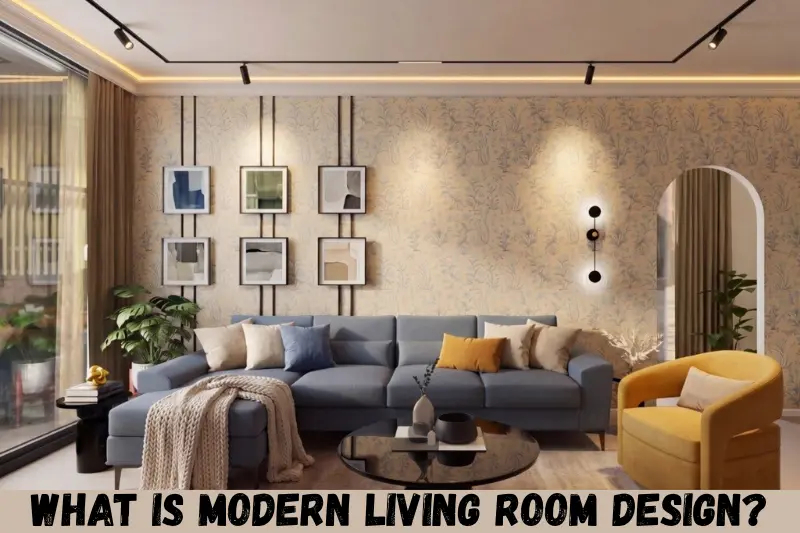
Modern living room design is an interior style built around simplicity, functionality, clean lines, balanced colours, and purposeful decoration. Instead of filling the room with unnecessary furniture or accessories, modern design gives each element a clear function.
A modern living room may include a comfortable sofa, a simple coffee table, practical storage, layered lighting, a television unit, artwork, indoor plants, rugs, and carefully selected decorative pieces.
The key principles include:
- Clean and simple furniture shapes
- A practical room layout
- Neutral or balanced colours
- Good lighting
- Functional storage
- Limited but meaningful decoration
- A combination of comfort and visual simplicity
Modern does not necessarily mean expensive. You can achieve the look by making smart choices about furniture placement, colours, lighting, and accessories.
How to Plan a Modern Living Room Design
The first step is to understand how you actually use the room. A beautiful living room will not work well if the furniture blocks movement or there is insufficient seating.
Before buying anything, consider the room’s:
- Size and shape
- Windows and doors
- Natural light
- Television position
- Number of people using the room
- Storage requirements
- Existing furniture
- Preferred colour palette
Measure the room before purchasing large furniture. This simple step can prevent sofas, cabinets, tables, or entertainment units from overwhelming the available space.
Choose the Right Furniture Layout
Furniture arrangement has a major impact on how modern a living room feels.
For a medium-sized room, a sofa facing the television with a coffee table in between can create a straightforward arrangement. In a larger room, you can create separate zones for conversation, entertainment, or reading.
Keep enough open space between major furniture pieces so people can move comfortably.
Avoid pushing every piece of furniture tightly against the walls simply because there is more floor space in the centre. Depending on the room, slightly floating furniture can create a more intentional and sophisticated arrangement.
Select a Comfortable Sofa
The sofa is often the visual centre of a living room, so choose it carefully.
For Indian homes, consider the number of family members and how frequently guests visit. A three-seater sofa with accent chairs may work well in a moderate room, while a sectional can provide more seating in a larger space.
For a modern appearance, look for:
- Straight or gently curved lines
- Simple upholstery
- Comfortable proportions
- Durable fabric
- Colours that work with the walls and flooring
If the room is small, avoid an oversized sofa that consumes most of the available floor area.
Best Colours for a Modern Living Room
Neutral colours are a popular foundation for modern living rooms because they create a calm backdrop for furniture and decorative accents.
Common choices include:
- White
- Off-white
- Beige
- Cream
- Warm grey
- Taupe
- Light brown
- Soft greige
However, a modern room does not have to be completely neutral.
You can introduce colour through cushions, artwork, curtains, rugs, plants, accent chairs, or one feature wall. Deep green, navy, terracotta, muted blue, and earthy shades can add character without making the room visually chaotic.
Use the 60-30-10 Colour Approach
A simple way to balance colours is to use one dominant colour, one supporting colour, and a smaller accent colour.
For example:
- 60% warm off-white or beige
- 30% wood or muted grey
- 10% terracotta or deep green accents
This is not a strict interior-design rule. It is simply a useful framework for keeping the room visually balanced.
Modern Living Room Design for Small Indian Homes
A small living room requires more careful planning because every piece of furniture occupies valuable space.
The best modern living room design for a compact home usually combines simple furniture with smart storage and visually lighter elements.
Try these ideas:
- Choose a compact sofa with suitable proportions.
- Use wall-mounted storage where practical.
- Select a coffee table with a smaller footprint.
- Use mirrors strategically to enhance the sense of openness.
- Keep the colour palette relatively light.
- Avoid too many decorative objects.
- Use curtains that allow natural light into the room.
- Choose furniture that provides more than one function.
A storage ottoman, nesting tables, or a television unit with concealed storage can be useful in smaller homes.
The goal is not to make the room empty. The goal is to make every item earn its place.
Modern Living Room Design for Large Spaces
Large living rooms offer more freedom, but they can also look unfinished when furniture is too small or widely separated.
Use the extra space to create visual zones rather than filling every corner.
For example, one part of the room can contain the main sofa and television, while another corner can include two chairs and a small side table for conversation or reading.
Large rugs can help visually connect furniture pieces. Statement lighting, artwork, plants, and appropriately sized furniture can also prevent a large room from feeling empty.
Create a Balanced Focal Point
Every living room benefits from a visual focal point.
Depending on the home, this might be:
- A television wall
- A large artwork
- A feature wall
- A distinctive sofa
- A designer light fixture
- A large window with an outdoor view
Choose one primary focal point rather than competing with several dramatic elements.
Modern TV Wall Design
The television wall can become an important part of a modern living room.
A clean TV unit with concealed storage can keep electronic equipment and everyday items organised. Wood-look finishes, neutral panels, textured surfaces, and simple floating cabinets can create a contemporary appearance.
Avoid covering the entire wall with unnecessary decorative panels if the room is already visually busy.
For a more timeless appearance, use a restrained combination of two or three finishes rather than several competing textures.
Modern Lighting Ideas for the Living Room
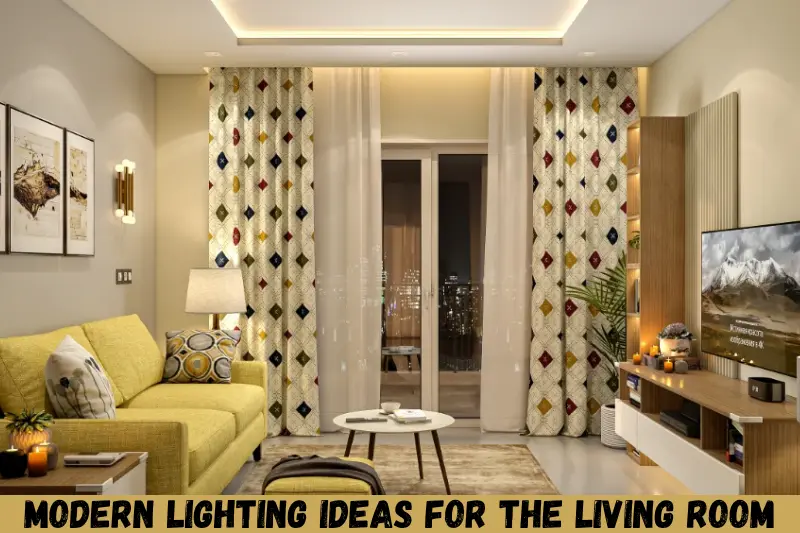
Good lighting can change how a living room looks and feels.
Instead of relying only on one bright ceiling fixture, consider layering different types of lighting.
Ambient Lighting
Ambient lighting provides general illumination. Ceiling fixtures and recessed lights are common options.
Task Lighting
Task lighting is useful for specific activities such as reading. A floor lamp beside a chair can serve this purpose.
Accent Lighting
Accent lighting highlights particular features, such as artwork, shelves, architectural details, or a decorative wall.
Combining these layers gives you greater flexibility. Bright lighting can be useful when cleaning or entertaining, while softer lighting can create a relaxed atmosphere in the evening.
Modern Wall Décor Ideas
Walls can add personality without requiring excessive decoration.
Consider:
- Large framed artwork
- Minimalist paintings
- Family photographs arranged thoughtfully
- Textured wall finishes
- Wooden slats used selectively
- Simple shelves
- Mirrors
- Indoor greenery
For an Indian home, you can also introduce subtle cultural elements through artwork, textiles, handicrafts, or traditional patterns.
The important point is balance. Traditional decorative elements can work beautifully in a modern room when they are selected carefully rather than used everywhere.
Add Natural Materials
Modern interiors can sometimes feel cold if everything is glossy, metallic, or artificial.
Natural materials help introduce warmth.
Wood is particularly useful because it works with many colour schemes. You can use it through furniture, shelving, flooring, wall accents, or decorative objects.
Other possibilities include:
- Cotton textiles
- Linen-look curtains
- Cane details
- Natural stone
- Ceramic accessories
- Indoor plants
These materials can soften the clean lines associated with modern design.
How to Make a Modern Living Room Feel Luxurious
Luxury is not necessarily about buying the most expensive furniture. A well-organised room with good proportions and carefully chosen materials can look more refined than a room filled with expensive objects.
Focus on:
- Good-quality lighting
- Consistent colours
- Properly sized furniture
- Clean surfaces
- Coordinated textiles
- Quality-looking hardware
- Concealed storage
- A few strong decorative pieces
For example, instead of displaying many small decorations, choose one large artwork and a few coordinated accessories.
This creates visual clarity and makes the room feel more intentional.
Modern Living Room Design Ideas for Indian Apartments
Apartments often have limited floor space, multifunctional rooms, and varying amounts of natural light.
A practical apartment design can combine a compact sofa, wall-mounted television, storage unit, rug, small coffee table, curtains, and a few decorative elements.
If the room receives limited daylight, lighter wall colours and reflective surfaces may help it feel brighter. If there is plenty of sunlight, warmer colours and textured materials can create a comfortable atmosphere.
For homes where the living room also functions as a family entertainment area, choose durable and easy-to-maintain materials.
Benefits and Limitations of Modern Living Room Design
A modern design offers several practical benefits, but it is not perfect for every household.
| Benefits | Limitations |
|---|---|
| Clean and organised appearance | Minimal décor may feel too plain for some people |
| Works well in small spaces | Requires careful organisation |
| Easy to adapt with accessories | Some modern furniture can be expensive |
| Can make rooms feel more open | Excessive minimalism can reduce warmth |
| Flexible colour schemes | Glossy surfaces may require frequent cleaning |
The best design is therefore one that matches your lifestyle rather than following a trend blindly.
Common Modern Living Room Design Mistakes
Even a good concept can fail because of small planning mistakes.
Buying Furniture Before Measuring
A sofa may look perfect in a showroom but be completely unsuitable for your room. Always measure the available space and check doorways, staircases, and lift access when relevant.
Using Too Many Colours
Multiple strong colours can make a modern room feel visually unsettled. Choose a controlled palette and introduce brighter colours through smaller accents.
Ignoring Lighting
A room with beautiful furniture can still look unattractive under poor lighting. Plan lighting alongside the rest of the interior instead of treating it as an afterthought.
Overdecorating
Modern interiors depend on visual simplicity. Too many cushions, accessories, wall decorations, and decorative objects can undermine the style.
Choosing Appearance Over Comfort
Your living room is meant to be used. A sofa that looks impressive but is uncomfortable will quickly become a poor purchase.
Blocking Natural Light
Heavy furniture, dark curtains, or poorly positioned shelves can make a room feel smaller. Keep windows as open as practical and use window treatments suited to the amount of sunlight.
Step-by-Step Guide to Creating a Modern Living Room
If you are starting from scratch, follow this simple process:
Step 1: Measure the room.
Record the room dimensions, doors, windows, electrical points, and major architectural features.
Step 2: Decide the room’s main purpose.
Determine whether it is mainly for family time, television, entertaining guests, reading, or a combination of activities.
Step 3: Choose a colour palette.
Start with one dominant neutral colour and add one or two supporting shades.
Step 4: Select the largest furniture first.
Choose the sofa and major storage or entertainment furniture before buying accessories.
Step 5: Plan lighting.
Use a combination of general, task, and accent lighting where appropriate.
Step 6: Add textiles.
Use a rug, curtains, cushions, and throws to introduce texture and comfort.
Step 7: Add décor gradually.
Start with artwork, plants, and a few meaningful objects. Stop when the room feels balanced.
Step 8: Review the room.
Walk through the space and check whether furniture blocks movement or whether any area feels overcrowded.
How Much Does Modern Living Room Design Cost?
There is no single price for a modern living room because the budget depends on room size, furniture quality, materials, customisation, labour, lighting, and décor.
A basic refresh can involve repainting, rearranging furniture, changing curtains, adding lighting, and introducing a few accessories. A complete renovation may involve custom carpentry, new flooring, electrical work, furniture, wall treatments, and professional interior design services.
Instead of setting a budget around a trend, divide your available money between priorities.
For example, you may spend more on a comfortable sofa and durable storage while choosing simpler decorative accessories.
Practical Tips for a Long-Lasting Modern Living Room
A modern interior should remain useful after the initial excitement disappears.
Keep these tips in mind:
- Choose timeless furniture shapes.
- Avoid following every short-lived trend.
- Prioritise comfort and durability.
- Use removable décor to update the look later.
- Keep storage practical and accessible.
- Select materials appropriate for your household.
- Leave enough space for comfortable movement.
- Maintain consistency between furniture, walls, lighting, and textiles.
This approach makes it easier to refresh the room without completely redesigning it.
Frequently Asked Questions
What is the best colour for a modern living room?
Neutral shades such as beige, cream, off-white, warm grey, and taupe are versatile choices for a modern living room. They create a calm foundation and allow furniture and decorative accents to stand out. You can add colour through cushions, artwork, rugs, plants, or a carefully selected accent wall.
How can I make a small living room look modern?
Use appropriately sized furniture, light or balanced colours, good lighting, and practical storage. Avoid overcrowding the floor with large furniture and unnecessary accessories. Wall-mounted storage, multifunctional furniture, mirrors, and visually simple designs can help create a more open and organised appearance.
Is modern interior design suitable for Indian homes?
Yes. Modern design can work very well in Indian homes when it is adapted to the household’s lifestyle, climate, space, and maintenance needs. You can combine contemporary furniture and clean lines with Indian artwork, traditional textiles, natural materials, and warm colours to create a modern yet personal interior.
How do I make a modern living room look expensive?
Focus on proportion, consistency, lighting, and quality rather than simply buying expensive products. Use a coordinated colour palette, reduce clutter, choose well-sized furniture, and add a few strong decorative elements. Good curtains, layered lighting, textured materials, and concealed storage can also create a more refined appearance.
What should I avoid in modern living room design?
Avoid overcrowding, poorly proportioned furniture, excessive colours, inadequate lighting, and decoration without a clear purpose. Do not sacrifice comfort simply to achieve a particular look. Before purchasing anything, measure the room and consider how your family actually uses the space.
Conclusion
A successful modern living room design is about more than making a room look fashionable. It should provide comfort, support everyday activities, maintain good circulation, and create a visually balanced environment.
Start by measuring the room, identifying its main purpose, and choosing a simple colour palette. Then select appropriately sized furniture, plan layered lighting, introduce practical storage, and finish the space with carefully chosen textiles and décor.
For an Indian home, do not be afraid to combine modern simplicity with warm materials, local craftsmanship, artwork, and personal touches. The best result is a living room that feels contemporary while still feeling like your home.