
Introduction
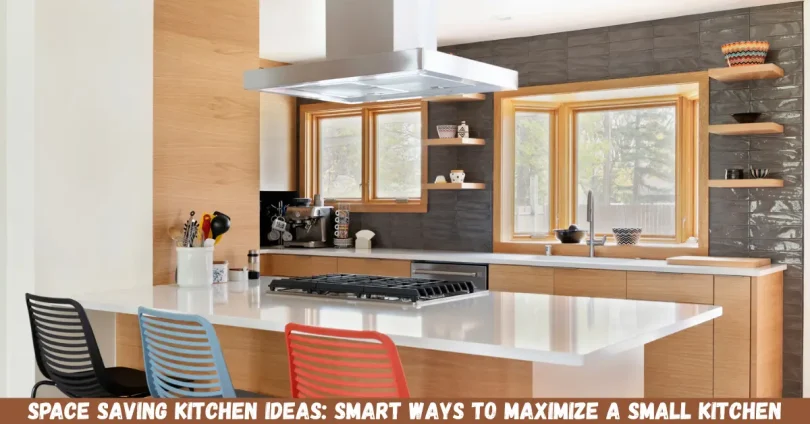
Space saving kitchen ideas can make a small kitchen feel more organized, functional, and comfortable without requiring a complete renovation. The right combination of smart storage, vertical organization, compact furniture, and efficient layouts can help you make better use of every available corner.
For Indian homes, where kitchens can vary from compact apartments to narrow utility-style spaces, thoughtful planning is especially useful. This guide covers practical space saving kitchen ideas for cabinets, countertops, walls, appliances, corners, and everyday storage. It also explains common mistakes to avoid so you can create a kitchen that looks neat while remaining easy to use.
What Are Space Saving Kitchen Ideas?
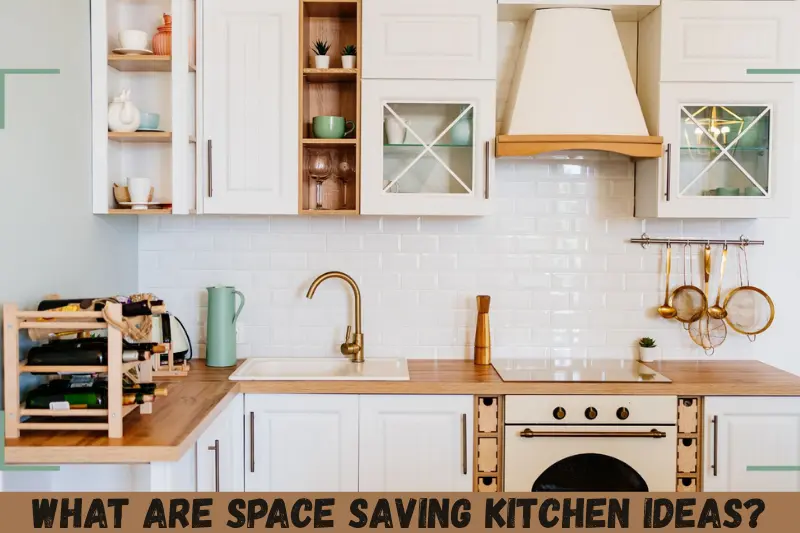
Space saving kitchen ideas are practical design and organization solutions that help you use limited kitchen space more efficiently. Instead of simply adding more cabinets or furniture, the goal is to make existing areas work harder.
These ideas can include:
- Using vertical wall space for storage
- Installing pull-out shelves
- Choosing compact appliances
- Using corner cabinets efficiently
- Adding storage inside cabinet doors
- Keeping countertops clear
- Selecting multi-purpose furniture
- Organizing frequently used items within easy reach
The best solution depends on your kitchen’s size, layout, cooking habits, storage requirements, and budget.
1. Use Vertical Kitchen Storage
One of the easiest ways to create more storage in a small kitchen is to use the vertical space above your normal working area.
Many kitchens have unused wall space between the countertop and ceiling. Installing additional shelves or tall cabinets can turn this empty area into useful storage.
Install Tall Cabinets
If your kitchen has enough ceiling height, consider cabinets that extend upward rather than outward. Tall cabinets provide additional storage without taking valuable floor space.
Use higher shelves for items that you do not need every day, such as:
- Large serving dishes
- Extra cookware
- Seasonal kitchen items
- Backup groceries
- Special-occasion utensils
Keep everyday items at comfortable heights so you do not need a stool frequently.
Add Open Wall Shelves
Open shelves can be useful in compact kitchens because they provide accessible storage without making the room feel as enclosed as a fully cabinet-covered wall.
However, avoid filling every shelf with miscellaneous objects. A small number of organized shelves generally looks cleaner and is easier to maintain.
2. Choose Pull-Out Cabinets and Drawers
Deep cabinets can sometimes create more problems than they solve. Items placed at the back may be difficult to reach, causing you to forget what you already own.
Pull-out drawers and baskets solve this problem by bringing stored items toward you.
Why Pull-Out Storage Works
Instead of reaching deep into a cabinet, you can pull the storage unit forward and see its contents.
This can be particularly useful for:
- Spices
- Cooking oils
- Bottles
- Cleaning supplies
- Pots and pans
- Dry food containers
A narrow pull-out unit can also make use of gaps between larger cabinets and appliances.
3. Make Better Use of Kitchen Corners
Corners are often among the most difficult areas to organize. Standard shelves can leave parts of the cabinet difficult to access.
If your kitchen has an L-shaped layout, consider storage solutions specifically designed for corners.
Try Corner Solutions
Depending on your cabinet design, you can use:
- Rotating corner shelves
- Pull-out corner systems
- Corner drawers
- Open corner shelves
- Custom-built storage units
The best option depends on the cabinet dimensions and the items you want to store.
Before purchasing hardware, measure the cabinet carefully. A storage mechanism that looks useful online may not fit your existing cabinet structure.
4. Keep the Countertop as Clear as Possible
A crowded countertop can make even a reasonably sized kitchen feel extremely small.
One of the simplest space saving kitchen ideas is to keep only frequently used appliances and utensils on the work surface.
For example, if you use a mixer or coffee machine every day, keeping it accessible may make sense. But appliances used only occasionally can be stored inside a cabinet.
Create Appliance Zones
Group appliances according to how often you use them.
Daily-use items: Keep them easily accessible.
Weekly-use items: Store them in a convenient cabinet.
Occasional-use items: Place them in higher or less accessible storage.
This simple system can reduce countertop clutter without forcing you to get rid of useful appliances.
5. Use the Inside of Cabinet Doors
The inside surface of a cabinet door is often overlooked. With suitable organizers, it can become valuable storage space.
Depending on the cabinet, you may be able to add:
- Spice racks
- Small shelves
- Measuring-cup holders
- Cutting-board organizers
- Cleaning-product holders
Always check the door clearance before installing anything. The added organizer should not prevent the cabinet from closing properly.
6. Install a Wall-Mounted Kitchen Rack
A wall-mounted rack can help move frequently used items away from the countertop.
For example, a rack can hold selected:
- Cooking utensils
- Mugs
- Kitchen towels
- Small containers
- Measuring tools
A simple rail system can be particularly useful in a compact kitchen because it uses wall space rather than floor area.
However, avoid turning the wall into a storage dump. Store only items that you use regularly and arrange them neatly.
7. Choose Multi-Purpose Kitchen Furniture
When floor space is limited, furniture that performs more than one function can be extremely useful.
For example, a compact kitchen island may provide:
- Additional preparation space
- Storage drawers
- Shelving
- A breakfast counter
Similarly, a narrow movable trolley can provide additional storage while remaining flexible.
Use a Compact Kitchen Trolley
A rolling trolley can be moved when you need extra preparation space and pushed aside when you need more room.
It can store:
- Fruits and vegetables
- Kitchen containers
- Small appliances
- Spices
- Cooking supplies
Choose a trolley that matches the available floor width so it does not obstruct walking areas.
8. Use Stackable Containers
Stackable containers are another practical solution for small kitchens.
Instead of spreading containers across several shelves, stackable designs allow you to use the vertical space inside cabinets.
Transparent or clearly labelled containers can also make it easier to identify ingredients quickly.
Organize Food by Category
Try grouping similar products together.
For example:
Grains: Rice, flour and similar staples
Spices: Frequently used spice containers
Snacks: Biscuits and packaged foods
Baking: Flour, sugar and baking ingredients
This makes storage more predictable and can reduce unnecessary searching.
9. Install a Pegboard for Flexible Storage
A pegboard can provide flexible wall storage in kitchens where cabinet space is limited.
Hooks and holders can be rearranged as your needs change.
A pegboard can hold selected kitchen tools, provided it is securely installed and positioned away from areas where it could interfere with cooking.
This approach is particularly useful for people who prefer visible storage and frequently use the same utensils.
10. Use the Space Under the Sink
The area underneath the kitchen sink often becomes cluttered because of plumbing pipes and awkward cabinet shapes.
With the right organizer, however, some of this space can become useful.
Consider:
- Small pull-out baskets
- Cleaning-product organizers
- Stackable bins
- Door-mounted holders
Avoid storing food in this area, especially alongside cleaning chemicals. Keep household cleaning products separated and securely stored.
11. Consider a Compact Kitchen Layout
The physical layout of a kitchen has a major effect on how efficiently you can use the available space.
Common layouts include:
- One-wall kitchens
- Galley kitchens
- L-shaped kitchens
- U-shaped kitchens
- Compact modular kitchens
One-Wall Kitchen
A one-wall kitchen places major kitchen functions along a single wall. It can work well in small apartments because it leaves more open floor space.
Galley Kitchen
A galley kitchen uses two parallel working areas. It can provide efficient storage and preparation space, but the walkway needs to remain comfortable.
L-Shaped Kitchen
An L-shaped kitchen uses two adjoining walls and can provide a useful separation between cooking and other activities.
There is no universally perfect layout. The best design is the one that fits your room dimensions and cooking routine.
12. Use Sliding or Folding Solutions Where Appropriate
Traditional doors can require additional clearance when opened. In a very compact kitchen, alternative door designs may help.
Depending on the cabinet and room layout, sliding or folding solutions can reduce interference with nearby areas.
However, these systems can have higher installation or hardware costs, so they should be considered where they solve an actual space problem rather than simply because they look modern.
13. Store Frequently Used Items Within Reach
Good kitchen organization is not only about maximizing storage. It is also about reducing unnecessary movement.
Keep the items you use most frequently near the main preparation and cooking areas.
For example:
- Everyday spices near the cooking area
- Knives near the preparation zone
- Plates near the serving area
- Cooking utensils near the stove
- Frequently used ingredients in accessible cabinets
This makes the kitchen more efficient without requiring additional floor space.
14. Use the Refrigerator Side Space Carefully
The side of a refrigerator may offer a useful storage opportunity if there is enough clearance.
Depending on your refrigerator model and kitchen design, you may be able to use a slim magnetic organizer or a narrow storage unit.
Possible uses include:
- Spice containers
- Kitchen notes
- Small cleaning tools
- Frequently used accessories
Do not block refrigerator ventilation areas or interfere with doors, electrical connections, or manufacturer requirements.
15. Add a Fold-Down Work Surface
If your kitchen lacks enough preparation space, a fold-down work surface can provide temporary countertop area.
When you need it, the surface can be opened. When you finish cooking, it can be folded back.
This can be useful in:
- Studio apartments
- Small urban kitchens
- Narrow kitchens
- Compact rental homes
Before installation, make sure the wall can safely support the hardware and that the folded surface does not obstruct movement.
16. Declutter Before Adding More Storage
One of the most overlooked space saving kitchen ideas is simply removing things you no longer use.
Buying additional organizers will not solve a storage problem if cabinets are already filled with unnecessary items.
Before reorganizing, consider:
- Remove expired food.
- Separate duplicate utensils.
- Identify appliances you rarely use.
- Donate usable items you no longer need.
- Group similar products.
- Measure the remaining storage space.
- Buy organizers only where they solve a specific problem.
A smaller collection of useful items is usually easier to organize than an oversized collection of rarely used products.
Space Saving Kitchen Ideas: Quick Comparison
| Idea | Best For | Main Benefit | Possible Limitation |
|---|---|---|---|
| Tall cabinets | Small kitchens with high ceilings | Uses vertical space | Upper shelves may be difficult to reach |
| Pull-out storage | Deep cabinets | Easier access | Hardware can increase cost |
| Open shelves | Frequently used items | Easy access | Requires regular cleaning |
| Wall racks | Utensils and small items | Frees countertop space | Can look cluttered if overfilled |
| Stackable containers | Food storage | Uses cabinet height | Requires consistent organization |
| Kitchen trolley | Flexible storage | Movable and versatile | Uses some floor space |
| Fold-down surface | Limited countertop area | Adds temporary workspace | Requires secure installation |
Common Mistakes to Avoid in a Small Kitchen
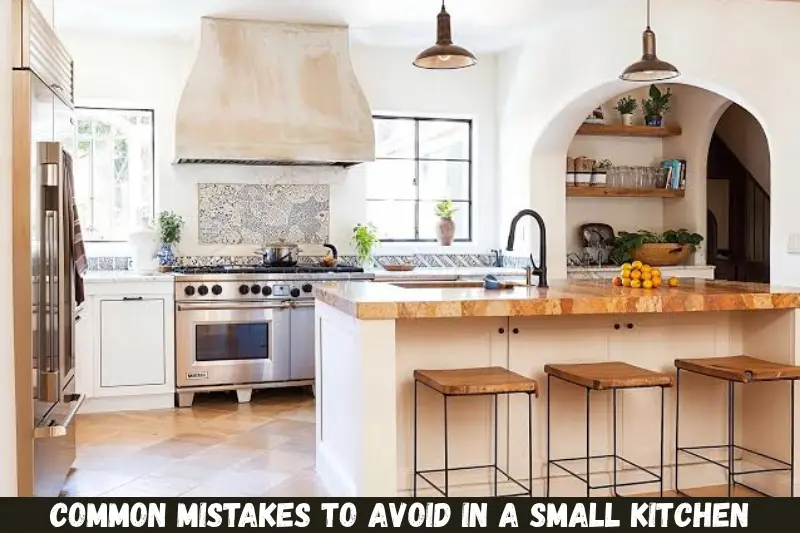
Even a well-designed kitchen can become difficult to use if storage is planned poorly.
Adding Too Many Cabinets
More cabinets do not automatically mean better storage. Excessive cabinetry can make a small room feel crowded.
Ignoring Measurements
Always measure cabinet interior, wall areas, appliance clearances, and walking space before buying organizers.
Storing Everything in Open Shelves
Open shelving looks attractive but requires more visual organization and cleaning. Use it selectively.
Keeping Rarely Used Items in Prime Locations
Your easiest-to-reach storage should be reserved for things you use frequently.
Blocking Natural Movement
Storage should never make it difficult to open an appliance, cabinet, or door or move safely through the kitchen.
How to Plan Space Saving Kitchen Ideas on a Budget
You do not need an expensive modular kitchen makeover to improve storage.
Start with low-cost changes such as:
- Decluttering cabinets
- Rearranging existing shelves
- Adding stackable containers
- Using simple wall hooks
- Installing a small utensil rail
- Labelling food containers
- Moving occasional-use appliances into less accessible storage
- Using cabinet-door organizers where appropriate
After these changes, identify the remaining problem areas. Spend money only on upgrades that solve a specific storage or workflow issue.
Frequently Asked Questions
What are the best space saving kitchen ideas for small homes?
The best ideas usually involve using vertical space, pull-out storage, stackable containers, wall-mounted organizers, and efficient cabinet layouts. Keeping countertops clear and storing frequently used items near the cooking area can also make a small kitchen feel more functional without requiring a major renovation.
How can I make a small kitchen look bigger?
Keep countertops and walkways uncluttered, use storage vertically, and avoid filling every visible surface with objects. Consistent organization can make the kitchen appear calmer. Light finishes and good lighting may also improve the visual feeling of space, although they do not physically increase the available area.
How can I increase kitchen storage without adding cabinets?
Use wall shelves, cabinet-door organizers, pull-out baskets, stackable containers, pegboards, hooks, and slim storage trolleys. You can also reorganize existing cabinets by grouping similar items and using the full vertical height of shelves. Decluttering is often the simplest first step before buying additional storage products.
Are open shelves good for a small kitchen?
Open shelves can work well in small kitchens because they provide accessible storage without the enclosed appearance of additional cabinets. However, they require organization and regular cleaning. Use them for attractive or frequently used items rather than storing every kitchen object in plain sight.
What is the most important rule for organizing a small kitchen?
The most important rule is to prioritize accessibility and everyday workflow rather than simply trying to fit in more storage. Frequently used items should remain easy to reach, while occasional-use items can go into higher or less convenient areas. Every storage solution should make the kitchen easier to use.
Conclusion
Space saving kitchen ideas do not always require expensive renovations or a completely new kitchen. Small improvements such as vertical storage, pull-out cabinets, stackable containers, wall-mounted racks, organized drawers, and better countertop management can make a noticeable difference.
The most effective approach is to start with your actual kitchen habits. Declutter first, identify wasted areas, measure the available space, and then choose storage solutions that solve specific problems. For an Indian home, practical organization is often more valuable than simply following a decorative kitchen trend.