
Introduction
Home ownership is a major financial goal for many people, and home loans make this dream possible. Among all lenders in India, State Bank of India is one of the most trusted and widely used banks for housing finance. The SBI home loan interest rate plays an important role in deciding the total cost of your loan and monthly EMI.
Understanding how the SBI home loan interest rate works can help borrowers make better financial decisions. Even a small difference in interest rate can significantly impact long-term repayment. This is why people carefully compare rates, eligibility, and repayment options before applying for a home loan.
SBI offers different home loan schemes based on income level, credit score, and property type. These loans are designed to be flexible, affordable, and accessible for salaried individuals, self-employed professionals, and first-time home buyers.
In this article, we will explore everything about SBI home loan interest rate including what it is, why it matters, how it works, step-by-step application process, benefits, disadvantages, common mistakes, FAQs, and expert tips. This guide will help beginners and intermediate readers understand home loans in a simple and practical way.
What is SBI Home Loan Interest Rate?
SBI home loan interest rate is the percentage charged by State Bank of India on the amount borrowed for purchasing, constructing, or renovating a house. It is the cost of borrowing money from the bank.
The interest rate determines how much extra you will pay in addition to the principal loan amount. It can be fixed or floating depending on the loan type. A fixed rate remains the same throughout the loan tenure, while a floating rate changes based on market conditions and RBI policies.
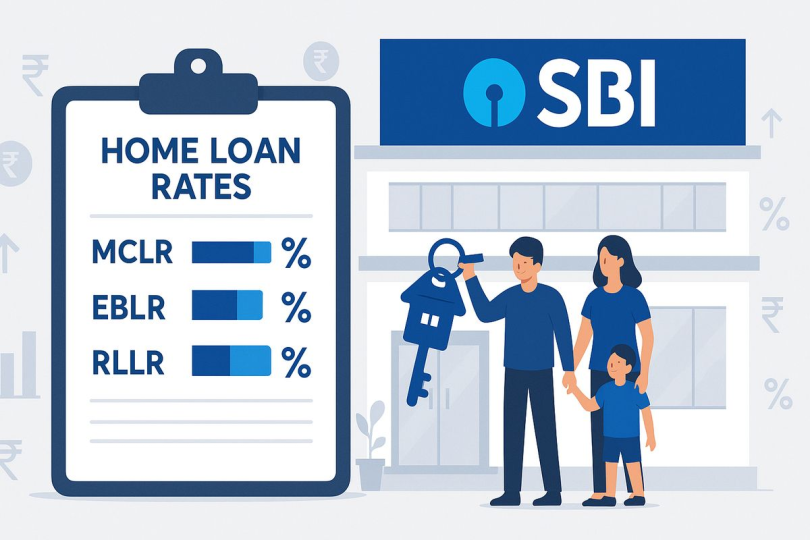
The SBI home loan interest rate is generally linked to external benchmarks, which means it may fluctuate over time. This makes it important for borrowers to understand market trends before selecting a loan plan.
Why is SBI Home Loan Interest Rate Important?
The SBI home loan interest rate is important because it directly affects your monthly EMI and total repayment amount. A lower interest rate means lower EMIs and less financial burden over time.
It also helps borrowers plan their long-term finances better. Since home loans usually last 15 to 30 years, even a small difference in interest rate can lead to significant savings or extra costs.
Another reason it is important is that it influences loan eligibility. Banks assess income, credit score, and repayment capacity based on the offered interest rate.
Detailed Step-by-Step Guide
Step 1: Check Eligibility
Before applying for a loan from State Bank of India, check eligibility criteria such as age, income, credit score, and employment status.
Step 2: Choose Loan Type
SBI offers different home loan options including regular home loan, balance transfer, and construction loan. Choose the one that matches your requirement.
Step 3: Understand Interest Rate Options
Compare the SBI home loan interest rate for fixed and floating options. Floating rates are more common and linked to external benchmarks.
Step 4: Submit Application
Fill out the application form online or at a branch. Provide required documents such as identity proof, income proof, and property details.
Step 5: Loan Processing
The bank verifies your documents, checks credit history, and evaluates property value before approving the loan.
Step 6: Loan Approval and Disbursement
Once approved, the loan amount is disbursed either in full or in stages depending on property construction status.
Benefits of SBI Home Loan Interest Rate
- Competitive and flexible interest rate options
- Trusted banking institution with strong reliability
- Multiple home loan schemes for different needs
- Long repayment tenure options
- Easy balance transfer facility
- Transparent loan process
- Available for salaried and self-employed individuals
- Digital application and tracking options
Disadvantages / Risks
- Floating interest rate may change over time
- Long repayment period increases total interest cost
- Strict eligibility criteria for approval
- Processing fees and additional charges
- Market fluctuations can affect EMI stability
Common Mistakes to Avoid
Many borrowers do not compare different loan options and directly accept the first offer. This can lead to higher interest payments. Another mistake is ignoring credit score, which plays a major role in deciding SBI home loan interest rate.
Some people also fail to calculate long-term EMI burden, which creates financial stress later. Not reading loan terms carefully is another common mistake that should be avoided.
FAQs
1. What is SBI home loan interest rate?
It is the percentage charged by State Bank of India on borrowed home loan amount.
2. Is SBI home loan interest rate fixed or floating?
It can be both, but floating rates are more commonly offered.
3. How is SBI home loan interest rate decided?
It is based on external benchmarks, credit score, and market conditions.
4. Can I reduce my SBI home loan interest rate?
Yes, by maintaining a good credit score and opting for balance transfer options.
5. Does SBI offer different rates for different customers?
Yes, interest rates may vary based on eligibility and loan profile.
6. What affects SBI home loan interest rate the most?

Credit score, income level, loan tenure, and market conditions are key factors.
Expert Tips & Bonus Points
To get the best SBI home loan interest rate, always maintain a strong credit score above 750. Compare different loan schemes before finalizing your decision. If possible, choose a higher down payment to reduce loan burden.
It is also recommended to understand floating rate trends, as they may change your EMI in the future. Choosing a shorter loan tenure can help reduce total interest paid over time.
Always calculate EMI using online tools before applying so you can plan your budget effectively.
Conclusion
The SBI home loan interest rate plays a crucial role in determining how affordable your home loan will be over time. Since home loans are long-term financial commitments, understanding interest rates is essential for making smart decisions.
A well-planned loan strategy from State Bank of India can help you manage your finances better and reduce unnecessary costs. Whether you are a first-time buyer or looking to transfer your loan, knowing how interest rates work is extremely important.
By comparing options, maintaining a good credit score, and choosing the right repayment plan, you can make your home loan journey smoother and more affordable. The SBI home loan interest rate is not just a number; it is a key factor that shapes your long-term financial stability and helps you achieve your dream of owning a home.