
Introduction
Indoor air plays a major role in your overall health and daily comfort, yet it is often ignored. Learning how to monitor air quality at home can help you identify hidden pollutants, reduce allergies, and create a safer living environment for your family. Many people assume that staying indoors protects them from pollution, but the truth is that indoor air can sometimes be more polluted than outdoor air due to dust, chemicals, cooking fumes, and poor ventilation.
Understanding how to monitor air quality at home is not complicated. With the right tools and awareness, you can easily track pollutants such as carbon dioxide, carbon monoxide, volatile organic compounds, humidity levels, and airborne particles. These factors directly affect your breathing, sleep quality, and long-term health.
In today’s world, where people spend most of their time indoors, it is essential to take control of the air you breathe. Whether you live in a small apartment or a large house, learning how to monitor air quality at home helps you make better decisions about ventilation, cleaning habits, and the use of air purifiers. This guide will walk you through everything step by step in a simple and practical way.
What is How to Monitor Air Quality at Home?
How to monitor air quality at home refers to the process of checking, tracking, and analyzing the cleanliness and safety of indoor air. It involves using tools, sensors, and observation techniques to detect pollutants that may harm health or reduce comfort.
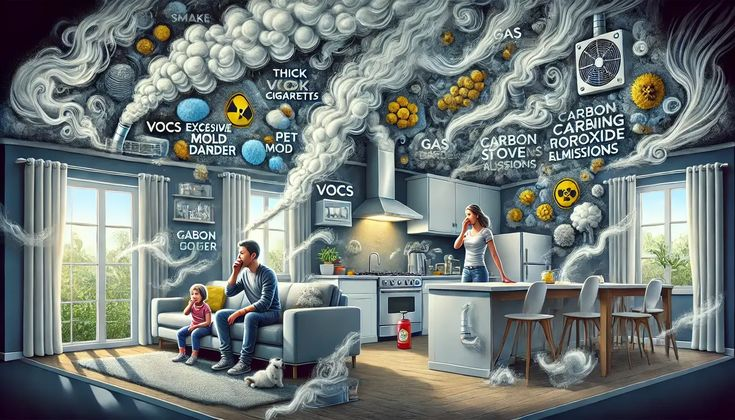
Indoor air quality is influenced by many factors, including dust, smoke, mold, pet dander, cleaning chemicals, and even cooking activities. Monitoring these elements helps you understand what is present in your home environment and whether changes are needed.
In simple terms, how to monitor air quality at home means regularly measuring air conditions and taking action when harmful levels are detected. This can be done using smart air quality monitors, basic humidity meters, or even by observing physical signs like odors and condensation.
Why is How to Monitor Air Quality at Home Important?
Monitoring indoor air is essential because poor air quality can lead to short-term and long-term health problems. When you understand how to monitor air quality at home, you can prevent issues before they become serious.
Poor indoor air quality may cause headaches, allergies, asthma flare-ups, fatigue, and difficulty concentrating. Over time, exposure to pollutants can contribute to respiratory diseases and other chronic conditions.
Another important reason is comfort. Clean air improves sleep quality, mood, and productivity. It also protects children, elderly individuals, and people with existing health conditions who are more sensitive to pollutants.
Additionally, understanding how to monitor air quality at home helps you reduce energy waste and improve ventilation systems. This creates a healthier and more efficient living space.
Detailed Step-by-Step Guide
Step 1: Identify Common Indoor Pollutants
Before you begin monitoring, you need to understand what you are looking for. Common indoor pollutants include:
- Dust and fine particles (PM2.5 and PM10)
- Carbon monoxide from gas appliances
- Carbon dioxide from breathing and poor ventilation
- Mold spores from damp areas
- Volatile organic compounds from paints and cleaners
Recognizing these helps you better understand how to monitor air quality at home effectively.
Step 2: Use an Air Quality Monitor
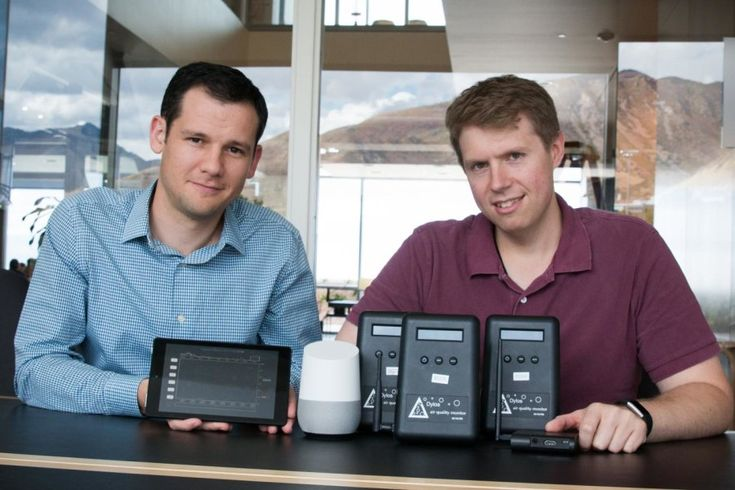
The easiest way to start is by using a digital air quality monitor. These devices measure multiple pollutants in real time.
Look for features like:
- PM2.5 detection
- CO2 level monitoring
- Humidity and temperature tracking
- VOC detection
Place the monitor in frequently used rooms like bedrooms and living rooms for accurate results.
Step 3: Check Ventilation Levels
Good ventilation is a key part of how to monitor air quality at home. Open windows regularly to allow fresh air to circulate. Poor airflow traps pollutants inside and increases indoor contamination levels.
Step 4: Monitor Humidity Levels
Humidity plays a big role in air quality. Ideal indoor humidity should stay between 40% and 60%.
Too much humidity can cause mold growth, while too little can dry out your skin and respiratory system. A simple hygrometer can help track this easily.
Step 5: Observe Physical Signs
Even without devices, you can still learn how to monitor air quality at home by noticing signs such as:
- Persistent odors
- Excess dust accumulation
- Condensation on windows
- Frequent allergies or coughing
These signs often indicate poor air quality.
Step 6: Maintain Clean Air Habits
Improving air quality is just as important as monitoring it. Regular cleaning, using exhaust fans, and avoiding indoor smoking can significantly improve results.
Benefits of How to Monitor Air Quality at Home
- Improves overall health and reduces respiratory issues
- Helps detect harmful pollutants early
- Enhances sleep quality and comfort
- Reduces allergy and asthma triggers
- Improves indoor productivity and focus
- Helps maintain a cleaner living environment
- Supports better home ventilation planning
- Increases awareness of environmental conditions
Disadvantages / Risks
- Air quality monitors can be expensive
- Some devices require regular calibration
- Misinterpretation of readings can cause unnecessary worry
- Over-reliance on devices may reduce natural observation skills
- Poor-quality monitors may give inaccurate results
Common Mistakes to Avoid
Many people make mistakes when learning how to monitor air quality at home. Avoid these errors:
- Ignoring ventilation and relying only on devices
- Placing air quality monitors in the wrong locations
- Not cleaning sensors regularly
- Overlooking humidity levels
- Assuming outdoor air is always better
- Delaying action after detecting poor air quality
FAQs
1. What is the easiest way to start monitoring air quality at home?
The easiest way is to use a basic air quality monitor that tracks dust, CO2, and humidity. Place it in your main living area for regular readings.
2. Can I monitor air quality without devices?
Yes, you can observe signs like bad odors, dust buildup, and frequent allergies. However, devices give more accurate results.
3. How often should I check indoor air quality?
If you have a monitor, check it daily. Otherwise, observe changes in air conditions weekly or during seasonal changes.
4. What is the ideal indoor air quality level?
Good air quality typically means low pollution levels, CO2 under 1000 ppm, and humidity between 40% and 60%.
5. Do air purifiers help in monitoring air quality?
Air purifiers improve air quality but do not always measure it. Some advanced models include sensors for tracking pollution levels.
6. Why is my home air quality worse at night?
At night, windows are closed and ventilation decreases, causing pollutants to build up. This is why how to monitor air quality at home is important during all hours.
Expert Tips & Bonus Points
Experts recommend combining technology with simple habits for best results. Keep windows open for at least 15–20 minutes daily to refresh indoor air. Use natural cleaning products instead of chemical-heavy ones whenever possible.
Another useful tip is to place plants like snake plants or peace lilies indoors, as they help improve oxygen levels. Also, regularly clean air filters in AC units and fans to prevent dust buildup.
If possible, invest in a smart air quality system that sends alerts to your phone. This makes how to monitor air quality at home more efficient and proactive.
Conclusion
Understanding how to monitor air quality at home is an important step toward a healthier lifestyle. Clean indoor air directly impacts your energy levels, sleep, and long-term wellness. By learning to track pollutants, improve ventilation, and maintain good habits, you can significantly reduce health risks inside your home.
Even small changes, such as opening windows daily or using an air quality monitor, can make a big difference over time. The key is consistency and awareness. Once you develop the habit of checking your indoor environment, you will naturally make better decisions for your living space.
In the end, how to monitor air quality at home is not just about using devices but also about building a healthier lifestyle. A clean air environment supports better breathing, better thinking, and better living for everyone in the home.