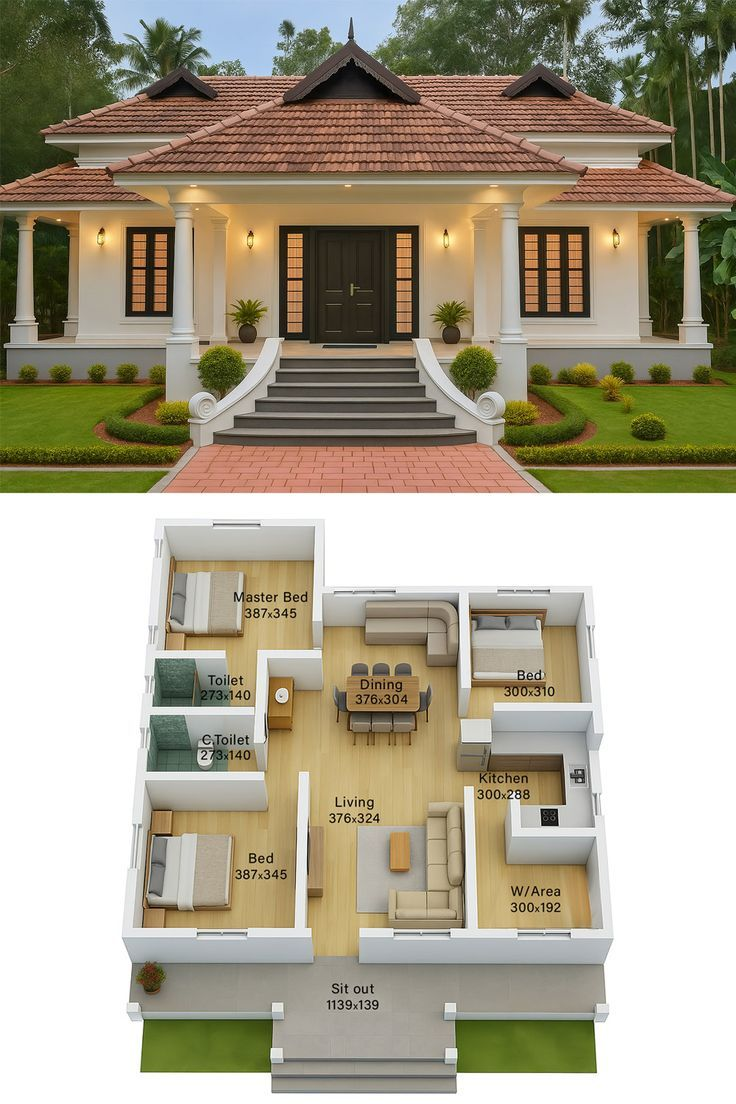

Introduction
Home design is more than just arranging furniture or choosing paint colors; it is the art of creating a living space that reflects personality, comfort, and functionality. A well-planned home design improves not only the beauty of your house but also the quality of your daily life. Whether you are building a new house or renovating an existing one, understanding the basics of home design can help you make smarter decisions.
In today’s modern world, home design has become a blend of creativity, practicality, and lifestyle needs. People no longer focus only on appearance; they also care about comfort, space optimization, lighting, and energy efficiency. Good home design ensures that every corner of your house serves a purpose while still looking visually appealing.
For beginners, the process may seem overwhelming at first. There are many elements to consider such as layout, furniture selection, color schemes, lighting, and decoration styles. However, once you understand the core principles, home design becomes an enjoyable and rewarding experience. This guide will walk you through everything step by step, from understanding what home design is to learning expert tips used by professionals.
By the end of this article, you will have a clear understanding of how to plan and execute a successful home design project that suits your lifestyle, budget, and taste.
What is Home Design?
Home design refers to the process of planning and arranging the interior and exterior spaces of a house to make them functional, comfortable, and visually appealing. It includes architectural layout, interior decoration, furniture placement, lighting arrangement, and color coordination.
In simple terms, home design is about creating a balanced environment where beauty meets practicality. It focuses on how people live in a space and how that space can be improved to support daily activities.
Home design can be divided into two main categories. The first is structural design, which involves the physical layout of rooms, walls, doors, and windows. The second is interior design, which includes decoration, furniture, textures, and colors.
Modern home design also considers lifestyle needs such as storage solutions, open spaces, natural lighting, and energy efficiency. Every decision in home design aims to improve comfort, usability, and overall living experience.
Why is Home Design Important?
Home design plays a crucial role in shaping the way we experience our living environment. A well-designed home can significantly improve mental well-being, productivity, and comfort.
One of the main reasons home design is important is that it maximizes space usage. Even small houses can feel spacious when designed properly. Smart layouts ensure that no area is wasted and every corner serves a purpose.
Another important factor is comfort. A good home design creates a relaxing atmosphere where you can unwind after a long day. Proper lighting, ventilation, and furniture placement all contribute to a comfortable lifestyle.
Home design also affects property value. A well-designed home is more attractive to buyers and can increase market value significantly. Additionally, it reflects personal style and taste, making your home unique and welcoming.
Lastly, home design improves functionality. When a house is designed with daily routines in mind, tasks become easier and more efficient, saving time and effort.
Detailed Step-by-Step Guide
Step 1: Planning the Layout
The first step in home design is planning the layout. This involves deciding where rooms, furniture, and key features will be placed. A good layout ensures smooth movement and proper space utilization.
Start by analyzing your needs. Consider how many rooms you require and how each space will be used. For example, living rooms should be open and welcoming, while bedrooms should be private and calm.
Step 2: Choosing a Design Style
Next, choose a design style that matches your personality. Popular styles include modern, minimalist, traditional, and contemporary.
Modern designs focus on simplicity and clean lines, while traditional styles emphasize detail and richness. Minimalist designs focus on less clutter and more space, and contemporary styles combine multiple elements for a balanced look.
Step 3: Selecting Color Schemes
Colors play a major role in home design. They influence mood and perception of space. Light colors make rooms look bigger, while dark shades create a cozy atmosphere.
Choose a consistent color palette for your entire home to maintain harmony. Neutral tones are often preferred because they are versatile and timeless.
Step 4: Furniture Selection
Furniture is a key part of home design. It should be both functional and stylish. Always choose furniture that fits the scale of your room.
Avoid overcrowding spaces with too many items. Instead, focus on essential pieces that offer comfort and utility.
Step 5: Lighting Design
Lighting is often overlooked but extremely important. A good lighting setup enhances the beauty of your home design.
Use a mix of natural and artificial lighting. Large windows can bring in natural light, while ceiling lights, lamps, and spotlights can be used for artificial lighting.
Step 6: Decoration and Finishing Touches
Finally, add decorative elements such as artwork, plants, rugs, and cushions. These small details complete the overall look of your home design.
Decorations should complement the theme without overwhelming the space.
Benefits of Home Design
- Improves comfort and living experience
- Maximizes space utilization
- Enhances property value
- Reflects personal style and personality
- Increases functionality and efficiency
- Creates a visually appealing environment
- Supports better organization and storage
- Improves lighting and ventilation
Disadvantages / Risks
- Can be expensive depending on materials and design choices
- Requires time and proper planning
- Poor decisions may lead to wasted space
- Trends may change, making design outdated
- Over-decorating can reduce functionality
- Requires maintenance to keep appearance fresh
Common Mistakes to Avoid
One of the most common mistakes in home design is overcrowding the space. Many people try to add too much furniture or decoration, which makes the room feel small and cluttered.
Another mistake is ignoring lighting. Poor lighting can ruin even the best design. Always ensure that natural light is used effectively.
Choosing the wrong color combination is also a frequent issue. Inconsistent colors can make the home look unorganized.
Many beginners also forget about storage solutions. A good home design always includes hidden or smart storage options.
Lastly, ignoring functionality for style can lead to impractical living spaces. Always balance beauty with usability.
FAQs
1. What is the main purpose of home design?
The main purpose of home design is to create a comfortable, functional, and visually appealing living space that supports daily life activities.
2. How do I start home design as a beginner?
Start by planning your layout, choosing a design style, selecting colors, and then moving on to furniture and lighting decisions step by step.
3. Which color is best for home design?
Neutral colors like white, beige, and gray are often best because they are versatile and create a clean, modern look.
4. Is home design expensive?
It depends on your choices. Simple home design can be budget-friendly, while luxury designs with premium materials can be costly.
5. What is the difference between interior design and home design?
Home design includes both structural layout and interior decoration, while interior design focuses only on the inside decoration and styling.
6. How important is lighting in home design?
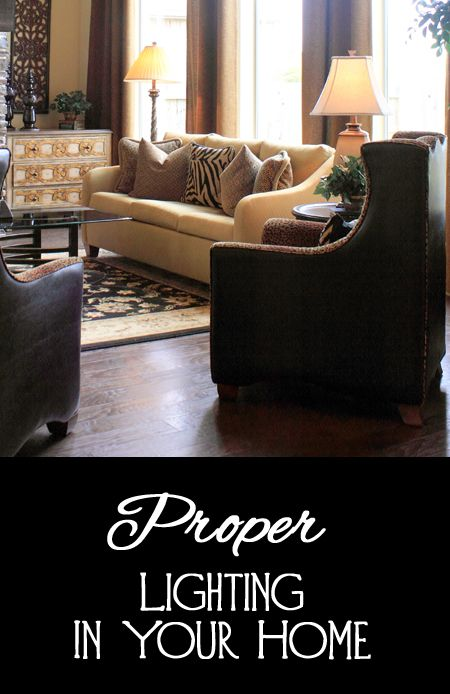
Lighting is extremely important because it affects mood, visibility, and the overall appearance of the space.
Expert Tips & Bonus Points
Experts suggest always starting with a clear plan before making any design decisions. A well-drafted layout saves time and money.
Use mirrors strategically to make small spaces look larger. This is a simple but powerful design trick.
Mix textures like wood, metal, and fabric to add depth to your home design.
Keep furniture proportional to room size to maintain balance and harmony.
Focus on long-term usability instead of short-term trends. Timeless designs remain attractive for years.
Finally, always test different lighting setups before finalizing your home design.
Conclusion
Home design is a powerful process that transforms a simple house into a comfortable and beautiful living space. It combines creativity, planning, and functionality to create an environment that supports your lifestyle.
Whether you are designing a new home or renovating an old one, understanding the core principles of home design helps you make better decisions. From layout planning to color selection and lighting setup, every step plays an important role in the final outcome.
A well-designed home not only improves visual appeal but also enhances comfort, efficiency, and emotional well-being. It reflects your personality and creates a space where you can truly feel at peace.
By following the steps, tips, and guidelines shared in this article, you can confidently start your own home design journey and create a space that is both practical and beautiful.