
Introduction
A home theatre system is one of the most popular entertainment upgrades for modern homes. It transforms a simple TV setup into a cinematic experience by delivering high-quality sound and immersive visuals. Instead of watching movies with basic audio, a home theatre system creates surround sound that makes you feel like you are inside the scene. This is why many people prefer building a dedicated home theatre setup in their living rooms or media rooms.
In today’s digital world, entertainment has become more advanced, and people want better audio-visual quality at home. A home theatre system fulfills this need by combining speakers, amplifiers, subwoofers, and sometimes projectors to recreate a cinema-like experience. Whether you enjoy movies, sports, or gaming, a home theatre setup can completely change how you experience content.
This guide will explain everything about home theatre systems, including what they are, how they work, why they are important, how to set them up, their benefits, disadvantages, common mistakes, FAQs, and expert tips. By the end, you will have a clear understanding of how to choose and use a home theatre system effectively for the best entertainment experience.
What is a Home Theatre System?
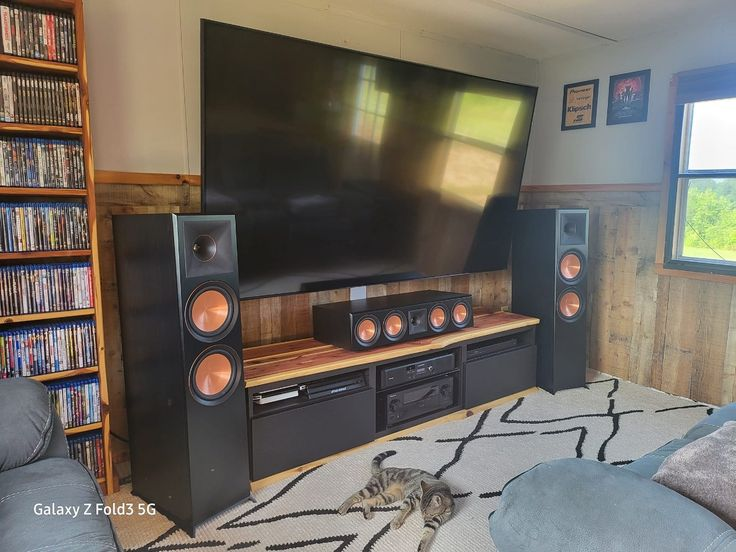
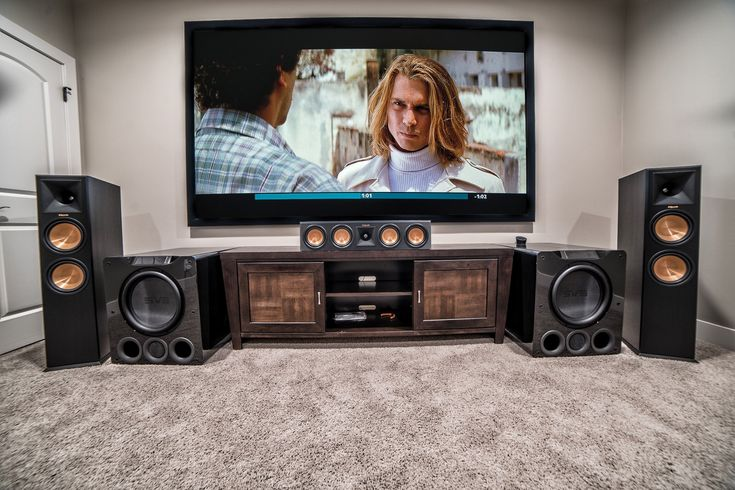
A home theatre system is a combination of audio and video equipment designed to reproduce the experience of a movie theatre in your home. It usually includes multiple speakers placed around the room, a subwoofer for deep bass, a receiver or amplifier, and a display device such as a TV or projector.
The main purpose of a home theatre system is to deliver surround sound, where audio comes from different directions to create a realistic environment. For example, if a car moves from left to right in a movie, the sound also moves in the same direction, making the experience more immersive.
Modern home theatre systems can be wired or wireless, and they come in different configurations like 2.1, 5.1, and 7.1 setups depending on the number of speakers.
Why is a Home Theatre System Important?
A home theatre system is important because it enhances entertainment quality significantly. Instead of flat TV audio, it provides rich, detailed, and powerful sound that improves the overall viewing experience.
It is also important for people who enjoy movies, gaming, or sports because it adds depth and realism. A home theatre system makes you feel more connected to the content, which increases enjoyment and engagement.
Another reason it is important is convenience. Instead of going to cinemas, you can enjoy the same experience at home anytime. This saves time, money, and effort while still providing high-quality entertainment.
Detailed Step-by-Step Guide
Choosing the Right Home Theatre System
The first step is selecting the right system based on your room size and budget. Smaller rooms may need a 2.1 or 5.1 setup, while larger rooms may require a 7.1 system for better sound distribution.
Understanding Speaker Placement
Proper placement is essential for a good home theatre experience. Front speakers should be placed near the TV, surround speakers should be behind or beside the seating area, and the subwoofer should be placed near the floor for deep bass.
Connecting the System
Most home theatre systems connect through an AV receiver. This device manages audio signals and distributes sound to all speakers. HDMI cables are commonly used for modern setups.
Calibrating Sound Settings
After setup, adjusting sound levels is important. Balance the bass, treble, and surround levels to match your room acoustics. Many systems come with automatic calibration features.
Testing the System
Play different types of content such as movies, music, and games to test audio clarity and surround effects. Adjust settings if needed for the best performance.
Benefits of Home Theatre System
- Provides cinema-like experience at home
- Enhances sound quality with surround audio
- Improves gaming and movie experience
- Saves money on frequent cinema visits
- Customizable according to room size
- Supports multiple devices like TV, gaming consoles, and streaming devices
- Increases entertainment value at home
Disadvantages / Risks
- High-quality home theatre systems can be expensive
- Requires proper installation and setup
- Takes up space in small rooms
- Sound may disturb neighbors if volume is high
- Maintenance and wiring can be complex in some setups
Common Mistakes to Avoid
One common mistake is placing speakers incorrectly, which reduces sound quality. Another mistake is buying a system without considering room size. Many users also ignore sound calibration, which affects overall performance.
Some people choose cheap systems without checking quality, leading to poor audio experience. Another mistake is overcrowding the room with too many speakers, which can reduce clarity instead of improving it.
FAQs
1. What is a home theatre system used for?
It is used to create a cinema-like audio and video experience at home.
2. Is a home theatre system worth it?
Yes, it is worth it for people who enjoy movies, gaming, and high-quality sound.
3. How many speakers are needed for a home theatre?
It depends on the setup, but common systems include 2.1, 5.1, and 7.1 configurations.
4. Can I connect a home theatre to my TV?
Yes, most systems are designed to connect easily with modern TVs using HDMI or optical cables.
5. Does a home theatre system require a big room?
Not necessarily. Smaller systems work well in compact rooms too.
6. What is the difference between a soundbar and a home theatre system?
A soundbar is a single speaker unit, while a home theatre system uses multiple speakers for surround sound.
Expert Tips & Bonus Points
When setting up a home theatre system, always focus on speaker placement first because it directly affects sound quality. Use a room with minimal echo for better audio clarity. If possible, use acoustic panels or soft furniture to improve sound absorption.
Another important tip is to choose a system based on your usage. If you mostly watch movies, prioritize surround sound. If you enjoy music, focus on balanced audio quality.
Also, avoid placing the subwoofer in corners unless you want stronger bass, as it can sometimes distort sound. Regularly updating your devices and checking cable connections ensures long-term performance.
Conclusion
A home theatre system is one of the best investments for home entertainment lovers. It transforms a simple viewing setup into a powerful cinematic experience with rich sound and immersive effects. Whether you are watching movies, playing games, or streaming shows, a home theatre system enhances everything.
Understanding how to choose, set up, and use a home theatre system properly is important for getting the best results. From speaker placement to sound calibration, every detail matters in creating the perfect environment.
Although it may require some investment and effort, the experience it provides is worth it. A well-designed home theatre system brings entertainment, comfort, and excitement directly into your home, making every moment more enjoyable and memorable.