
Introduction
Website performance plays a major role in search engine rankings and user satisfaction. A slow-loading page can increase bounce rates and reduce conversions, making optimization essential for every website owner. One useful solution is page size checker spellmistake, a tool designed to analyze webpage size and identify elements that affect loading speed. Whether you manage a personal blog, business website, or online store, understanding page size helps you deliver a faster browsing experience. This guide explains how the tool works, why it matters, and how beginners and intermediate users can use it effectively.
What Is Page Size Checker SpellMistake?
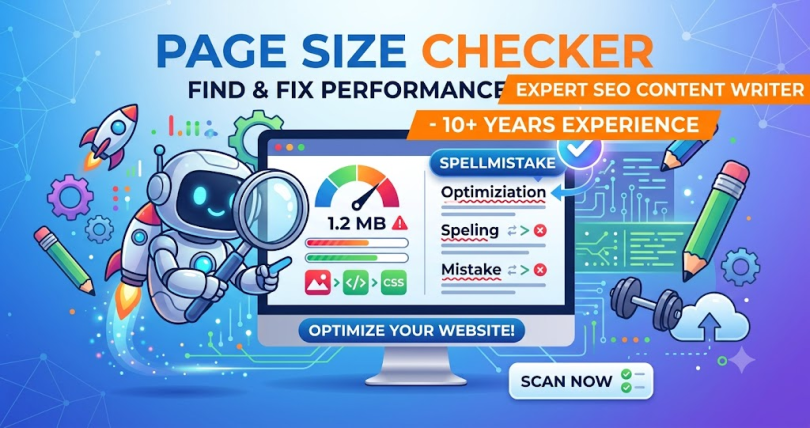
Page size checker spellmistake is a website analysis tool that measures the total size of a webpage. It calculates the combined size of HTML, CSS, JavaScript, images, fonts, and other resources loaded when visitors open a page.
The tool helps identify oversized files that may slow down loading speed. By reviewing these details, website owners can optimize resources, improve performance, and create a smoother browsing experience across desktop and mobile devices.
Why Is Page Size Checker SpellMistake Important?
Fast-loading websites provide better user experiences and often perform better in search results.
Using page size checker spellmistake allows you to:
- Detect large files affecting performance.
- Improve website loading speed.
- Reduce bandwidth usage.
- Enhance mobile browsing.
- Support better SEO performance.
- Increase visitor engagement.
For example, if a homepage contains several uncompressed images totaling 8 MB, reducing them to 2 MB can significantly improve loading time.
Step-by-Step Guide
Step 1: Enter the Website URL
Open the tool and enter the webpage address you want to analyze.
Step 2: Start the Analysis
Run the scan to calculate the total page size and identify all loaded resources.
Step 3: Review the Results
Check the breakdown of images, scripts, stylesheets, fonts, and other files consuming the most space.
Step 4: Optimize Large Resources
Compress images, minify CSS and JavaScript files, remove unnecessary plugins, and enable browser caching where possible.
Step 5: Test Again
Run another scan after optimization to verify improvements and compare the updated page size with previous results.
Benefits
Using page size checker spellmistake offers several practical advantages:
- Improves website loading speed.
- Supports better search engine optimization.
- Helps reduce bounce rates.
- Identifies oversized website resources.
- Improves mobile user experience.
- Saves hosting bandwidth.
- Encourages better website maintenance.
- Provides easy performance monitoring.
Risks or Disadvantages
Although helpful, the tool has some limitations:
- Results alone do not solve performance issues.
- Other factors like server response time also affect speed.
- Large websites may require additional optimization tools.
- Beginners may need time to understand technical reports.
- Focusing only on page size may overlook other SEO factors.
Common Mistakes to Avoid
Many website owners misuse optimization tools by concentrating only on numbers instead of overall performance.
Avoid uploading oversized images without compression. Do not install unnecessary plugins that increase page size. Keep CSS and JavaScript files organized instead of loading multiple duplicate resources. Avoid ignoring mobile performance because many visitors browse using smartphones. Finally, test pages regularly after updates since new content can increase website size unexpectedly.
FAQs
1. What does page size checker spellmistake measure?
It measures the total size of webpage resources, including images, scripts, CSS, HTML, and fonts.
2. Is the tool suitable for beginners?
Yes. It provides straightforward reports that help beginners understand website performance.
3. How often should I check page size?
Check after major website updates, redesigns, or when adding new content.
4. Does reducing page size improve SEO?
Smaller pages usually load faster, improving user experience and supporting stronger SEO performance.
5. Can one tool fix every speed issue?
No. Website speed depends on hosting quality, server response, caching, and optimized resources together.
Expert Tips
Review website performance monthly instead of waiting for problems to appear. Compress images before uploading them, choose modern image formats when available, and remove unused plugins or scripts regularly. Combine small CSS and JavaScript files whenever practical to reduce requests. Monitor page size after publishing new articles or landing pages. Remember that consistent optimization produces better long-term performance than occasional large changes.
Conclusion
Optimizing website performance is an ongoing process, and understanding page size is one of the simplest ways to begin. Page size checker spellmistake helps identify heavy resources that slow loading times and provides valuable insights for improvement. By following the optimization steps, avoiding common mistakes, and monitoring performance regularly, website owners can create faster, more user-friendly pages. Better speed benefits visitors, improves search visibility, and supports long-term website growth. Consistent attention to page size helps maintain a reliable, efficient, and competitive online presence.