
A messy room can make even a comfortable home feel stressful. Clothes end up on chairs, books collect on the floor, and small everyday items seem to disappear when you need them most. The good news is that you do not need a large room, expensive furniture, or a complete makeover to create a cleaner space. With practical room organization ideas, you can make better use of the space you already have.
The most effective approach is to start with what you own, remove things you no longer need, and then give the remaining items a clear place. Current organization advice also focuses on using vertical space, hidden storage, flexible furniture, and simple systems that are easy to maintain.
Whether you have a small bedroom, shared room, home office, dorm room, or multipurpose space, these room organization ideas can help you create a room that feels calmer and easier to manage.
Start With Decluttering
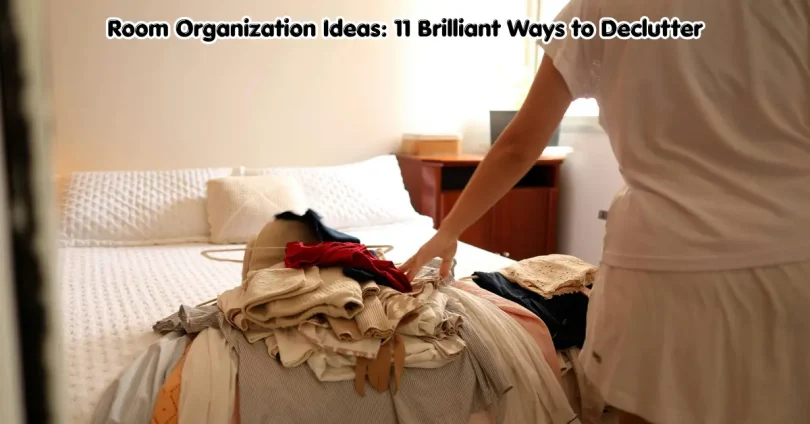
Before buying storage boxes or rearranging furniture, remove the things that do not belong in the room. Organizing too much stuff simply creates a cleaner-looking mess.
Take everything from the floor, bed, chair, and visible surfaces. Sort the items into four simple groups:
- Keep in the room
- Move somewhere else
- Donate or give away
- Throw away or recycle
Do not try to make every decision perfect. If you have not used something for a long time and it has no clear purpose, ask yourself whether it deserves valuable space.
One of the simplest room organization ideas is to organize only what you actually use. Less clutter means less cleaning, less searching, and more usable space.
Give Every Item a Home
An organized room works best when every frequently used item has a specific place.
For example, keep books together, electronics in one area, everyday accessories in a small container, and clothing inside the wardrobe or drawers. When an item has a home, putting it away becomes much easier.
Avoid creating a random “stuff corner.” That area usually becomes a dumping ground for things you do not know where to put.
Think about where you naturally use an item. Keep your keys near the entrance, chargers close to your desk, and everyday clothing where you can reach it easily.
This simple system is one of the most practical room organization ideas because it makes cleaning easier without requiring complicated products.
Use Your Walls for Storage
When floor space is limited, look upward.
Walls are often one of the most underused storage areas in a room. Floating shelves, pegboards, hooks, wall-mounted organizers, and narrow cabinets can hold many items without taking up much floor space. Vertical storage is especially useful in small rooms because it adds storage while keeping walking areas open.
Use shelves for books, plants, small baskets, decorative objects, or items you use regularly. Hooks can hold bags, headphones, hats, or jackets.
However, avoid filling every inch of the wall. A few well-planned storage areas can look cleaner than a wall covered with shelves and objects.
Among smart room organization ideas, vertical storage is especially useful when your room is narrow but has unused wall space.
Make Better Use of Under-Bed Space
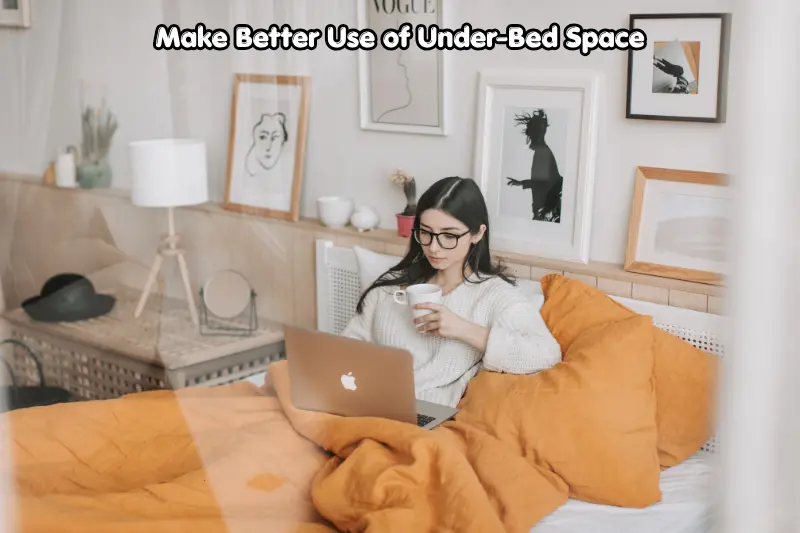
The area underneath your bed can become valuable storage.
Instead of allowing dust and random objects to collect there, use flat storage boxes, fabric containers, or rolling drawers. This space is ideal for seasonal clothing, extra bedding, shoes, luggage, and items you do not use every day.
Label the containers so you know what is inside without opening every box. Keep frequently needed items toward the front and seasonal belongings farther back.
If your bed does not have enough clearance, do not force large containers underneath it. Choose storage that fits comfortably and can be removed without damaging the floor.
Using forgotten spaces is one of the easiest room organization ideas because it creates storage without adding another large piece of furniture.
Organize Your Wardrobe by Use
A wardrobe becomes much easier to manage when clothing is grouped logically.
You can arrange clothes by type, season, color, or frequency of use. There is no single correct method. The best system is the one that helps you find what you need quickly.
Keep everyday clothes at eye level. Store special-occasion clothing higher or farther back. Fold bulky items neatly and use drawer dividers for smaller pieces such as socks and accessories.
If your wardrobe is overcrowded, remove clothing you no longer wear before buying additional organizers.
Smart room organization ideas are not always about buying something new. Sometimes the best improvement comes from using your existing storage more efficiently.
Keep Surfaces Clear
Desks, bedside tables, dressers, and shelves can become cluttered surprisingly quickly.
A useful rule is to keep only the things you use regularly on open surfaces. Everything else should have a drawer, shelf, box, or cabinet.
For example, your bedside table might only need a lamp, a book, and a small tray. Your desk might need your computer, notebook, and a few essential supplies.
Clear surfaces make a room feel more spacious and make dusting much faster.
One of the simplest room organization ideas is to create a small “daily-use zone” where only essential items are allowed to remain visible.
Use Multi-Purpose Furniture
When a room is small, every piece of furniture should earn its space.
A bed with drawers, an ottoman with hidden storage, a desk with shelves, or a bench that also stores blankets can perform two jobs instead of one. Multifunctional furniture is commonly recommended for small rooms because it adds storage without requiring additional floor space.
Before buying anything, measure your room carefully. A large storage unit may provide more storage but can make movement difficult.
Look for furniture that fits your room rather than furniture that simply looks attractive in a showroom.
This is where practical room organization ideas can make a noticeable difference in smaller homes.
Create Small Zones
A single room can have several purposes. You might sleep, study, work, relax, and get dressed in the same space.
Creating simple zones can make the room feel much more organized.
For example:
- Keep your bed area focused on sleeping and relaxing.
- Use a desk area for work or study.
- Keep clothing and accessories around the wardrobe.
- Place hobbies and entertainment items in one dedicated area.
You do not necessarily need walls to create these zones. Furniture placement, rugs, shelves, lighting, and storage baskets can visually separate different areas.
Clear zones are among the most useful room organization ideas for bedrooms, studio apartments, dorm rooms, and shared spaces.
Organize Drawers With Simple Dividers
A large drawer can quickly become a mess when small items are mixed together.
Drawer dividers can separate socks, underwear, accessories, stationery, cables, cosmetics, or other small belongings. You can buy organizers, but simple boxes or containers can also work.
The goal is not to make every drawer look perfect. The goal is to make it easy to find something without emptying the entire drawer.
Keep similar items together and avoid filling the drawer completely. Leaving a little space makes it easier to put things away.
Simple drawer systems are affordable room organization ideas that can make everyday routines much easier.
Make the Back of the Door Useful
Doors provide another storage opportunity that people often overlook.
An over-the-door organizer can hold shoes, accessories, cleaning supplies, toiletries, or small household items. Hooks can also be useful for bags, jackets, towels, and frequently used clothing.
Before installing anything, make sure the door can still open and close comfortably. Avoid placing heavy objects on lightweight doors or using products that could damage a rental property.
For renters and students, door storage can be particularly helpful because it creates organization without permanent construction.
This is one of the most flexible room organization ideas when wall and floor space are already limited.
Keep Cables Under Control
Chargers, extension cords, headphones, and electronic cables can make an otherwise tidy room look messy.
Start by removing cables you no longer use. Then group the remaining ones by purpose. Small cable ties, reusable straps, clips, or labeled pouches can keep them under control.
Avoid keeping every charger in one large box. When cables are mixed together, finding the correct one becomes frustrating.
You can also use a small charging station for everyday devices. Keep it near the desk or bedside area where you normally charge your electronics.
Cable management may seem like a small task, but it can improve the appearance of your room quickly.
Choose Storage That Matches Your Habits
A storage system only works if you will actually use it.
If you dislike folding clothes, do not create a system that requires perfectly folded stacks every day. If you frequently use an item, do not hide it at the back of a high cabinet.
Good room organization ideas should fit your normal habits instead of forcing you to live like a showroom.
Think about your daily routine. What do you use first in the morning? Where do you drop things when you come home? Which items always end up on the floor?
Those answers can tell you exactly where storage should go.
Avoid Buying Too Many Organizers
Buying storage products before decluttering is a common mistake.
You may purchase baskets, boxes, shelves, and containers only to discover that you do not need half of them. Start by using what you already have.
Once you know what needs to be stored, measure the available space and choose storage that fits it.
Current organizing advice increasingly emphasizes buying bins last rather than using storage products as the first solution.
This approach saves money and prevents unnecessary clutter.
The best room organization ideas often cost little because they focus on better decisions rather than more products.
Make Small Rooms Feel More Open
Organization is not only about storage. It is also about how the room feels.
Keep walking paths clear and avoid pushing too much furniture into one area. If possible, allow some empty space around major furniture pieces.
Light colors, mirrors, open shelving, and good lighting can also make a compact room feel brighter and more comfortable. However, do not add decorative items simply because they make the room look larger in photos.
Function should come first.
If you have a very small room, prioritize furniture that provides useful storage while keeping the floor as open as possible. This principle appears frequently in current small-space organization guides.
Create a Simple Cleaning Routine
A room stays organized when there is a simple system for maintaining it.
You do not need to spend hours cleaning every day. A short reset can make a big difference.
At the end of the day:
- Put clothes where they belong.
- Return books and electronics to their places.
- Throw away rubbish.
- Clear your main surfaces.
- Put shoes and bags away.
- Check the floor for anything that does not belong.
Spend a few minutes doing this before going to bed. The next morning, your room will already feel more manageable.
Many room organization ideas fail because people focus only on the initial makeover and forget about maintenance.
Use a One-In, One-Out Rule
If your room is already full, bringing in more things will eventually create another clutter problem.
A simple one-in, one-out rule can help. When you buy a new shirt, consider removing one you no longer wear. When you add a new book, decide whether there is an old one you are ready to donate.
This does not mean you must throw something away every time you buy something. It simply encourages you to think about available space before adding more possessions.
For people who struggle with recurring clutter, this small habit can be more valuable than another storage box.
Make Your Room Work for You
The best organization system is not necessarily the most beautiful one. It is the one that makes your everyday life easier.
If you constantly leave your bag on a chair, put a hook near the door. If clothes always collect beside the bed, place a laundry basket there. If your desk becomes covered with stationery, add a small organizer within reach.
Pay attention to the places where clutter naturally appears. Those locations are showing you where your current system is not working.
Instead of fighting that habit, create a storage solution around it.
That is the real purpose of useful room organization ideas: making the room easier to use, not making your life more complicated.
What to Do If You Have Almost No Storage
Small rooms can be challenging because there may simply not be enough built-in storage.
Start by using vertical areas, under-bed space, the backs of doors, and unused corners. Choose slim furniture instead of wide furniture when possible.
A tall narrow shelf can sometimes provide useful storage while taking less floor space than a wide cabinet. Rolling carts can also work well because they can be moved when necessary.
If you rent your home, focus on removable solutions such as hooks, freestanding shelves, baskets, and storage boxes where appropriate.
These room organization ideas can help you add useful storage without making permanent changes.
How to Keep the Room Organized Long Term
Getting organized is only the first step. Keeping it organized is what makes the system worthwhile.
Try to return things immediately after using them. Do not let laundry accumulate on the floor. Do a quick reset before sleeping. Once every few weeks, check drawers and storage areas for items that no longer belong there.
You can also choose one small area each week for a quick refresh. One week might be your desk, another your wardrobe, and another the area under your bed.
Small maintenance tasks are easier to complete than waiting until the entire room becomes overwhelming.
When your system is simple enough to maintain, room organization ideas become everyday habits rather than a one-time project.
Final Thoughts
An organized room does not have to be expensive, perfectly decorated, or completely minimalist. What matters is creating a space where your belongings have clear homes and your daily routine feels easier.
Start with decluttering. Then use vertical storage, under-bed space, doors, drawers, and multifunctional furniture where they make sense. Keep frequently used items easy to reach and store less-used belongings in less accessible areas.
Most importantly, choose systems that match the way you actually live.
The most effective room organization ideas are the ones you can maintain without feeling overwhelmed. You do not need to organize your entire room in one day. Pick one messy area, improve it, and build from there.
A cleaner room can give you more usable space, make everyday tasks easier, and create a calmer environment without requiring a major home makeover.