
Small House Renovation Ideas for Better Space and Style
Small house renovation ideas can make a compact home feel more spacious, comfortable, organised, and attractive without requiring a complete rebuild. The best approach is to improve the way existing space is used while focusing on practical upgrades such as storage, lighting, colours, furniture placement, flooring, kitchens, bathrooms, and multifunctional areas.
For Indian homes, renovation also needs to consider practical requirements such as ventilation, dust, heat, storage, family needs, maintenance, and available space. A good renovation plan should therefore balance appearance with everyday functionality.
Whether you have a compact apartment, a small independent house, or an older family home that needs updating, the following ideas can help you plan a renovation that looks modern while remaining practical.
Why Small House Renovation Needs a Different Approach
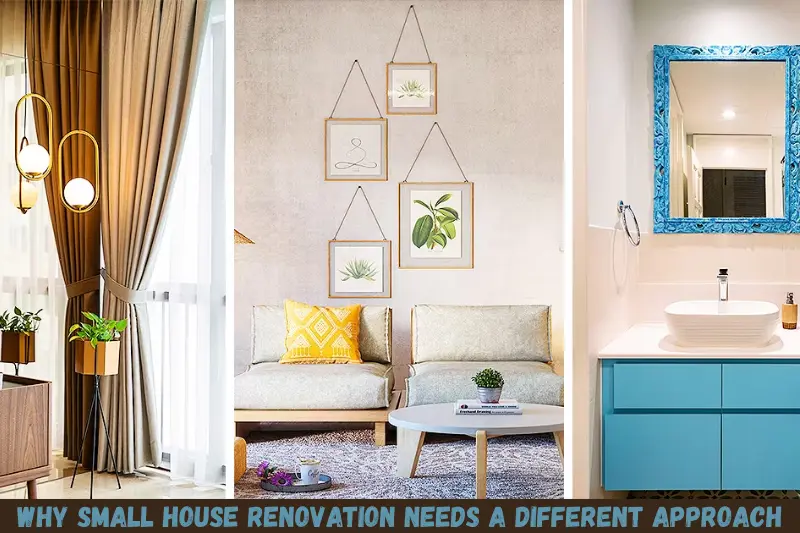
A small home should not be renovated exactly like a large house. Limited floor space means every wall, corner, doorway, and piece of furniture can affect how spacious the home feels.
The main goal should be to make the existing space work harder rather than simply adding more decorative elements.
Good small house renovation ideas usually focus on:
- Better storage
- Open and practical layouts
- Natural and artificial lighting
- Light, balanced colour schemes
- Multifunctional furniture
- Space-efficient kitchens
- Compact bathrooms
- Clear walking areas
- Easy-to-maintain materials
- Better ventilation
For example, replacing a bulky storage cabinet with a full-height built-in unit can provide more storage while using the same floor area. Similarly, improving lighting can make a compact room appear more open without changing its dimensions.
1. Create a More Open and Functional Layout
One of the most effective small house renovation ideas is to reconsider the existing layout.
If several rooms feel cramped because of unnecessary partitions, discuss with a qualified professional whether selected non-structural partitions can be modified or removed. Opening up connected areas can improve movement and make the home feel less enclosed.
However, walls should never be removed simply because they look inconvenient. Some walls may be structural or may contain electrical, plumbing, or other services.
Combine Living and Dining Areas
If your living room and dining area are separated by a non-structural partition, a more open arrangement may create a better sense of space.
You can visually separate the areas using:
- A compact dining table
- A rug
- Different lighting
- Furniture positioning
- A half-height partition
- Open shelving
This creates zones without making the home feel divided.
Keep Walking Areas Clear
Furniture placement is particularly important in a small home.
Avoid filling every corner with furniture. Leave practical pathways between the entrance, living area, kitchen, bedroom, and bathroom.
A smaller amount of appropriately sized furniture can make a room feel larger than a room filled with oversized pieces.
2. Use Vertical Space for Storage
When floor space is limited, look upward.
Vertical storage is one of the most practical small house renovation ideas because walls often provide unused space.
Consider:
- Full-height wardrobes
- Tall kitchen cabinets
- Wall-mounted shelves
- Overhead storage
- Built-in bookcases
- High bathroom cabinets
- Entryway storage units
Full-height storage can also create a cleaner appearance because fewer separate cabinets are scattered around the room.
Choose Closed Storage Where Possible
Open shelves can look attractive, but too many exposed items can make a small home appear cluttered.
Use a combination of open and closed storage. Keep frequently used decorative or attractive items on open shelves and place less attractive everyday belongings behind cabinet doors.
3. Choose Light Colours Carefully
Colour can significantly influence how a small room feels.
Light and neutral shades can help reflect available light and create an airy appearance. You do not have to make the entire home plain white.
Suitable options can include:
- Warm white
- Cream
- Beige
- Soft grey
- Light taupe
- Pale green
- Muted blue
For Indian homes, warmer neutrals can create a comfortable appearance while still maintaining a sense of openness.
Add Colour Through Small Details
If you prefer stronger colours, use them selectively.
For example, you could introduce a deeper shade through:
- Cushions
- Curtains
- Artwork
- A feature wall
- Decorative objects
- Kitchen backsplash
- Bed linen
This gives the home personality without visually overwhelming a small room.
4. Improve Natural and Artificial Lighting
Lighting is one of the easiest ways to improve the atmosphere of a compact home.
Start by making the best possible use of natural light. Avoid blocking windows with unnecessarily heavy furniture or thick curtains.
For artificial lighting, consider using several layers instead of relying on one central light.
Use Three Types of Lighting
A practical lighting plan can include:
Ambient lighting: Provides general illumination throughout the room.
Task lighting: Helps with specific activities such as cooking, reading, studying, or working.
Accent lighting: Highlights architectural features, artwork, shelves, or decorative areas.
For example, a small kitchen can combine ceiling lighting with under-cabinet lighting. A bedroom can use general lighting along with bedside lamps or wall-mounted fixtures.
This approach can make the same room feel more useful at different times of day.
5. Renovate the Kitchen for Maximum Efficiency
The kitchen is often one of the most challenging areas in a small home because it needs to accommodate cooking, storage, appliances, cleaning, and movement.
Instead of focusing only on appearance, prioritise functionality.
Smart Small Kitchen Renovation Ideas
Consider:
- Tall cabinets
- Pull-out storage
- Corner solutions
- Drawer organisers
- Wall-mounted racks
- Under-sink storage
- Built-in appliances where practical
- Easy-to-clean surfaces
- Adequate task lighting
Avoid adding cabinets everywhere without considering how doors and drawers will open.
A compact kitchen needs enough clearance for comfortable movement and safe cooking.
Use the Walls Efficiently
A backsplash or unused wall can provide additional storage through carefully selected rails, hooks, or shelves.
However, avoid overcrowding the walls. The goal is to keep commonly used items accessible while maintaining a clean visual appearance.
6. Make the Bathroom Feel Larger
Bathrooms can become visually cramped very quickly.
A renovation can improve the feeling of space through better storage, lighting, mirrors, and material selection.
Useful changes include:
- Wall-mounted storage
- A large mirror
- Glass shower separation where suitable
- Compact fixtures
- Floating vanity designs
- Light-coloured surfaces
- Good ventilation
- Recessed shelves where practical
A mirror can visually expand the room by reflecting light and surrounding surfaces.
Prioritise Waterproofing
Appearance should never come before proper bathroom construction.
Before installing new tiles or fixtures, make sure waterproofing, drainage, plumbing, and ventilation are properly assessed. Poor waterproofing can cause much more expensive problems later.
7. Use Multifunctional Furniture
Furniture that performs more than one function is particularly useful in small homes.
Examples include:
- Sofa beds
- Storage ottomans
- Beds with drawers
- Foldable dining tables
- Wall-mounted desks
- Nesting tables
- Storage benches
- Fold-down workspaces
A multifunctional item can reduce the number of separate pieces required in the room.
For example, a bed with integrated storage can reduce the need for an additional large cabinet, giving you more usable floor space.
8. Upgrade Doors Without Wasting Space
Traditional swinging doors require clearance, which can be difficult in compact rooms.
Where appropriate and structurally feasible, consider space-saving alternatives such as sliding doors.
They can work particularly well for:
- Small bathrooms
- Wardrobes
- Utility areas
- Compact bedrooms
- Home offices
However, sliding doors are not automatically better for every situation. They require suitable wall space and appropriate hardware, and privacy or acoustic performance should also be considered.
9. Make Small Bedrooms More Practical
A small bedroom should provide comfortable sleeping space without becoming dominated by furniture.
Start with the bed because it is usually the largest item.
Then plan:
- Wardrobe location
- Bedside storage
- Lighting
- Dressing area
- Electrical outlets
- Curtains
- Walking clearance
A full-height wardrobe with simple doors can often provide substantial storage without taking up unnecessary visual space.
Wall-mounted bedside shelves can also replace bulky bedside tables when floor space is tight.
10. Create a Small Home Office or Study Corner
A dedicated office does not always require a separate room.
A small desk can be incorporated into:
- A bedroom corner
- A living room wall
- A hallway niche
- A window area
- A built-in storage unit
Choose a compact desk and provide enough electrical access for your equipment.
When the workspace is not being used, foldable or wall-mounted furniture can help return the area to its original purpose.
11. Refresh Flooring Instead of Changing Everything
Replacing every finish in a house can quickly increase renovation costs.
If the existing flooring is structurally sound, assess whether cleaning, repairing, polishing, or selectively replacing damaged areas could achieve the desired result.
If new flooring is required, choose materials based on:
- Durability
- Maintenance
- Moisture exposure
- Slip resistance
- Installation requirements
- Household lifestyle
- Overall budget
The cheapest material is not necessarily the most economical choice if it requires frequent repairs or replacement.
12. Add Mirrors Strategically
Mirrors can be especially useful in small homes.
A well-positioned mirror can reflect natural or artificial light and create a stronger sense of visual depth.
Good locations may include:
- Entryways
- Living rooms
- Dining areas
- Bedrooms
- Bathrooms
Avoid placing mirrors randomly. Think about what they will reflect. A mirror facing an attractive, bright area can be much more effective than one reflecting clutter.
13. Improve Ventilation and Indoor Comfort
A beautiful renovation still needs to be comfortable.
Good ventilation is particularly important in kitchens and bathrooms. Renovation planning should consider window placement, exhaust systems, moisture control, and airflow.
For Indian homes, local climate should also influence material and design decisions. A home in a hot and humid region may require different ventilation and material considerations from one in a cooler or drier area.
Do not cover ventilation openings simply to create a cleaner visual design.
14. Use a Feature Wall Instead of Overdecorating
Small rooms do not need decoration on every wall.
Instead, choose one area as a visual focal point.
Possible options include:
- Textured paint
- Wallpaper
- Decorative panels
- Artwork
- A distinctive tile pattern
- Wooden-look finishes
Keep the remaining walls relatively simple. This creates contrast without making the room feel visually crowded.
15. Plan Your Renovation Budget Before Starting
One of the most important small house renovation ideas is also one of the least exciting: create a realistic budget before work begins.
Divide expected spending into categories such as:
| Renovation Area | What to Consider |
|---|---|
| Kitchen | Cabinets, countertop, appliances, plumbing |
| Bathroom | Fixtures, tiles, waterproofing, plumbing |
| Flooring | Material, removal, installation |
| Painting | Surface preparation and labour |
| Lighting | Fixtures, wiring, switches |
| Storage | Wardrobes, cabinets, shelving |
| Furniture | New or multifunctional pieces |
| Electrical | Outlets, wiring and upgrades |
| Contingency | Unexpected repair or construction costs |
Keep some financial room for unexpected issues. Older homes may reveal plumbing, electrical, dampness, or structural problems after renovation work begins.
Small House Renovation Ideas: Budget vs Bigger Changes
| Renovation Approach | Cost Level | Best For | Main Benefit |
|---|---|---|---|
| Painting and lighting | Lower | Quick refresh | Changes atmosphere |
| Storage upgrades | Low to medium | Cluttered homes | Improves organisation |
| Furniture replacement | Medium | Poor layouts | Better space utilisation |
| Kitchen renovation | Medium to high | Outdated kitchens | Better functionality |
| Bathroom renovation | Medium to high | Old bathrooms | Comfort and usability |
| Major layout changes | High | Poor floor plans | Better long-term planning |
The best choice depends on the condition of your home and your renovation goals. You do not necessarily need to renovate every room at once.
How to Plan Small House Renovation Ideas Step by Step
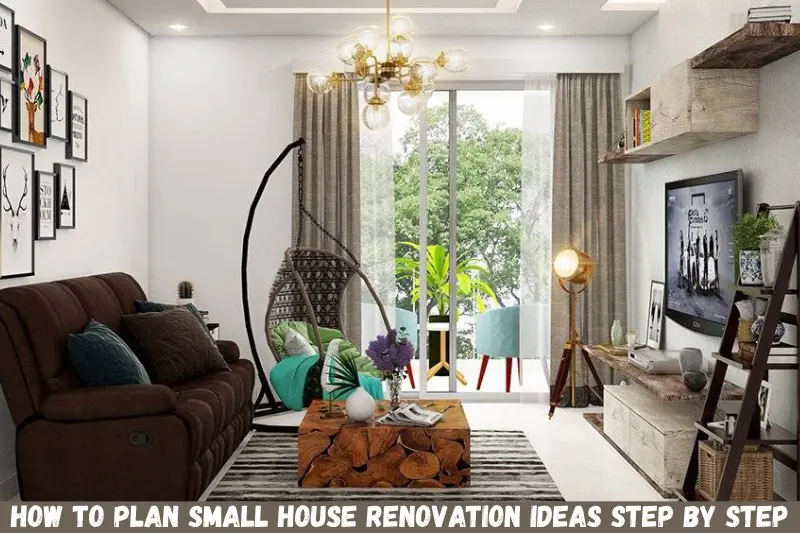
A structured process can prevent unnecessary spending and design mistakes.
Step 1: Identify the Biggest Problems
Walk through your home and write down what is not working.
For example:
- Not enough storage
- Poor lighting
- Cramped kitchen
- Old bathroom
- Damaged flooring
- Poor ventilation
- Too much furniture
- Inefficient room layout
Solve functional problems before focusing heavily on decoration.
Step 2: Set Priorities
Separate renovation tasks into three groups:
Must do: Repairs, safety issues, waterproofing, damaged electrical or plumbing systems.
Should do: Storage, lighting, kitchen improvement, flooring.
Nice to have: Decorative upgrades and luxury finishes.
This helps keep the project under control.
Step 3: Measure Everything
Take accurate measurements of rooms, walls, doors, windows, and furniture.
Do not purchase large furniture or storage units based only on photographs or rough estimates.
Step 4: Plan the Design
Choose a consistent design direction before buying materials.
Select your:
- Main colours
- Flooring style
- Cabinet finish
- Lighting approach
- Hardware
- Furniture style
A consistent palette helps a small home feel connected rather than fragmented.
Step 5: Get Professional Assessments Where Necessary
For structural changes, electrical work, plumbing, waterproofing, or other technical work, use appropriately qualified professionals.
Do-it-yourself decoration is one thing; altering structural or essential building systems is another.
Step 6: Renovate in a Logical Order
Complete messy construction work before final painting, furniture installation, and decorative finishing.
This reduces the risk of damaging newly completed surfaces.
Common Mistakes to Avoid During a Small Home Renovation
Even attractive renovation plans can fail when basic practical issues are overlooked.
Choosing Furniture That Is Too Large
Large sofas, beds, cabinets, and dining tables can consume valuable floor space.
Always consider proportions rather than buying furniture simply because it looks impressive in a showroom.
Adding Too Much Storage
Storage is important, but excessive cabinetry can make a small home feel boxed in.
Use storage where it solves a genuine problem.
Ignoring Lighting
A renovation can look completely different under poor lighting.
Plan lighting during the renovation rather than treating it as an afterthought.
Selecting Materials Only for Appearance
A beautiful surface may not be appropriate for a high-moisture bathroom or heavily used kitchen.
Consider durability and maintenance alongside appearance.
Changing the Layout Without Technical Advice
Moving walls, plumbing, electrical systems, or other building elements can create safety and compliance issues.
Get professional advice before making major changes.
Spending the Entire Budget on Finishes
Premium tiles, paint, furniture, and decorative features cannot compensate for poor plumbing, electrical systems, waterproofing, or structural problems.
Function should come first.
How to Make a Small Home Look More Expensive
You do not need expensive materials everywhere to create a polished appearance.
Focus on consistency and details.
A refined small home often benefits from:
- Matching hardware
- Consistent colours
- Well-planned lighting
- Clean cabinet lines
- Good-quality curtains
- Minimal clutter
- Properly finished edges
- Carefully selected artwork
- Coordinated furniture
The key is not to make every item luxurious. Instead, make the overall design feel intentional.
Are Small House Renovation Ideas Worth the Investment?
Yes, when renovation decisions solve real problems and match the home’s condition.
A renovation can improve comfort, storage, functionality, appearance, and everyday usability. However, renovation is not automatically financially worthwhile if the project becomes unnecessarily large or expensive.
Before spending heavily, consider:
- How long you plan to live there
- The home’s existing condition
- The renovation’s practical benefits
- Local property considerations
- Maintenance requirements
- Your available budget
A focused renovation can often make more sense than completely redesigning a home that already has a functional structure.
Frequently Asked Questions
What are the best small house renovation ideas?
The best small house renovation ideas usually focus on improving space rather than adding unnecessary decoration. Start with better storage, lighting, furniture placement, multifunctional furniture, lighter colours, and efficient kitchens and bathrooms. If the layout is inefficient, consider professional advice about possible changes to non-structural partitions.
How can I renovate a small house on a budget?
Start by identifying essential repairs and functional problems before spending money on decorative upgrades. Painting, lighting, storage improvements, furniture rearrangement, and selective replacement of damaged finishes can create noticeable improvements. Renovating one priority area at a time can also make the overall project easier to manage financially.
Which colours make a small house look bigger?
Light and balanced colours such as warm white, cream, beige, pale grey, and other soft tones can help a room feel brighter and more open. The result also depends on natural light, artificial lighting, furniture, and clutter. You can still use darker or stronger colours as accents without making the entire space feel heavy.
How can I add storage without making a small home feel crowded?
Use vertical and built-in storage wherever practical. Full-height wardrobes, tall kitchen cabinets, wall-mounted shelves, under-bed storage, and multifunctional furniture can provide additional capacity while reducing floor clutter. Choose closed storage for items that would otherwise create visual mess and keep frequently used belongings easily accessible.
What should I renovate first in a small house?
Start with safety, structural concerns, waterproofing, plumbing, electrical issues, and other essential repairs. After that, prioritise areas that affect everyday use, such as the kitchen, bathroom, storage, lighting, and layout. Decorative elements should generally come later so that they do not hide or interfere with essential renovation work.
Conclusion
Small house renovation ideas work best when every change has a clear purpose. Instead of trying to make a compact home look like a much larger property, focus on making the available space brighter, more organised, comfortable, and functional.
Start with the biggest problems, improve storage, use lighting intelligently, choose furniture according to the room’s proportions, and select durable materials suited to your household and local conditions. For structural, electrical, plumbing, or waterproofing work, involve qualified professionals rather than relying on appearance-based decisions.