
Budget Home Improvement Ideas: Affordable Ways to Refresh Your Home
Budget home improvement ideas can help you make your house look cleaner, more comfortable, and more attractive without spending heavily on major renovations. For Indian homeowners and renters, simple upgrades such as repainting a room, improving lighting, reorganising storage, updating hardware, and adding plants can create a noticeable difference.
The best approach is not to change everything at once. Instead, identify the areas that look outdated or feel inconvenient and improve them one by one. This guide covers affordable ideas for living rooms, bedrooms, kitchens, bathrooms, entrances, balconies, and other common areas.
Whether you live in an apartment, independent house, rented property, or compact urban home, these improvements can be adapted to different budgets and spaces.
Why Choose Budget-Friendly Home Improvements?
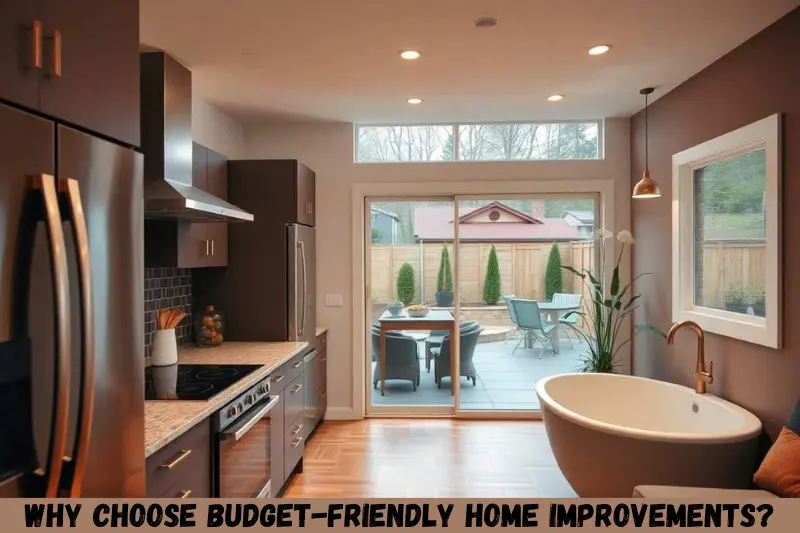
Affordable improvements are useful because they allow you to improve your home’s appearance and functionality without committing to a complete renovation.
A small project can sometimes solve a practical problem while also improving the overall appearance of a room. For example, better lighting can make a small room feel more welcoming, while additional shelves can reduce clutter.
Budget improvements can offer several advantages:
- Lower upfront cost
- Less disruption to daily life
- Easier planning
- Flexibility to complete projects gradually
- Better use of existing furniture and space
- Opportunity to personalise rooms
- Easier maintenance compared with major renovations
However, cheap does not always mean good value. A low-cost product that needs frequent replacement may cost more over time. Focus on durability, usefulness, and suitability for your home rather than simply choosing the cheapest option.
1. Give Your Walls a Fresh Look
One of the simplest budget home improvement ideas is repainting or refreshing your walls. A new colour can dramatically change the mood of a room without requiring new furniture.
You do not necessarily need to repaint every wall. If the existing paint is reasonably good, consider creating one accent wall or repainting only areas that have become dull or stained.
For Indian homes, practical colour choices can include:
- Warm white
- Cream
- Beige
- Light grey
- Soft green
- Pale blue
- Muted earthy shades
Before painting, clean the surface and repair visible cracks or holes. Good preparation can make a relatively simple paint job look much more polished.
Try an Accent Wall
If your budget is limited, select one wall as a focal point. You can use a different paint shade, removable wallpaper, textured finish, or simple decorative elements.
This approach can create visual interest without the cost of treating the entire room.
2. Upgrade Lighting Instead of Replacing Furniture
Lighting can change how a room looks and feels. If your furniture is still functional, improving the lighting may be a better investment than replacing it.
Use a combination of general, task, and decorative lighting where practical.
For example:
- Use a brighter light for work areas.
- Add warm lighting around seating areas.
- Use bedside lamps in bedrooms.
- Add under-cabinet lighting in the kitchen.
- Use decorative lights on a balcony or entrance.
LED lighting is commonly used because it generally consumes less electricity than traditional incandescent lighting. When selecting bulbs, consider brightness, colour temperature, compatibility, and energy use.
3. Improve Storage With Simple Shelves
Clutter can make even a well-decorated home look untidy. Adding affordable storage is therefore both a design improvement and a practical upgrade.
Floating shelves, wall-mounted racks, baskets, boxes, and organisers can help use vertical space more efficiently.
This is particularly useful in smaller Indian apartments where floor space may be limited.
Where Can You Add Storage?
Consider unused areas such as:
- Empty wall sections
- Space above a study desk
- Corners of the kitchen
- Bathroom walls
- Entryway areas
- Space beside wardrobes
- Areas underneath beds
Before installing anything, check the wall type, expected load, and appropriate fixing method. Avoid placing heavy objects on unsuitable shelves or poorly secured fittings.
4. Refresh Kitchen Cabinets and Hardware
A complete kitchen renovation can be expensive, but you may not need one. If the cabinets are structurally sound, small changes can make the kitchen feel newer.
Replacing old handles and knobs is one relatively simple option. You can also clean cabinet surfaces thoroughly and, where appropriate, repaint or refinish them.
Other affordable improvements include:
- Drawer organisers
- Spice racks
- Shelf liners
- Cabinet organisers
- Improved task lighting
- Wall-mounted storage
- New taps where replacement is genuinely needed
Do not ignore functionality. A beautiful kitchen that remains difficult to organise will not provide much practical benefit.
5. Update Door Handles, Cabinet Knobs, and Small Fixtures
Small hardware is easy to overlook, but outdated handles and knobs can make otherwise decent furniture appear old.
Replacing them with a consistent style can create a more coordinated appearance.
For example, you might use the same general finish for:
- Cabinet handles
- Drawer pulls
- Wardrobe handles
- Interior door hardware
Measure existing fittings before buying replacements. Check screw spacing and dimensions so that new hardware fits without unnecessary drilling or modification.
6. Make the Entrance More Welcoming
Your entrance creates the first impression of your home. Fortunately, improving it does not require a major budget.
Start by cleaning the doorway and removing unnecessary items. Then consider a few simple additions such as:
- A clean doormat
- A small plant
- A wall-mounted key holder
- Better entrance lighting
- A simple nameplate
- Organised footwear storage
The goal is to keep the area functional and uncluttered rather than filling it with decorations.
7. Add Plants for a Natural Touch
Plants can add colour and life to interiors and balconies. You do not need a large collection to make a difference.
Choose plants according to the available sunlight, temperature, humidity, and the amount of care you can provide.
For a low-maintenance setup, start with a few suitable indoor or balcony plants rather than buying many varieties at once.
You can also improve presentation with inexpensive planters or containers that match your room’s overall style.
Avoid Common Plant Mistakes
Do not select a plant simply because it looks attractive in a photograph. Consider whether your home provides the light and conditions that plant requires.
Overwatering is also a common problem. Follow the care requirements of the specific plant rather than watering everything on the same schedule.
8. Improve the Bathroom Without a Full Renovation
Bathrooms can often benefit from small functional improvements.
Instead of immediately replacing tiles, flooring, or sanitary fixtures, first look at smaller upgrades.
Useful options include:
- Better storage
- New shower curtain where appropriate
- Improved lighting
- New mirror
- Towel hooks
- Bathroom organisers
- Updated taps or shower fittings when necessary
- Fresh silicone or grout repairs where appropriate
Always address leaks, damaged plumbing, electrical problems, or structural issues before focusing on decoration.
9. Rearrange Furniture Before Buying Anything
One of the cheapest home improvements costs nothing: change the layout.
Furniture that has been in the same position for years may not provide the best use of the room. Try moving larger pieces away from pathways and creating clearer zones for sitting, working, dining, or relaxing.
Before buying new furniture, ask:
Can I achieve the same improvement by rearranging what I already own?
You may discover that a different layout makes the room feel larger and more comfortable without any major spending.
10. Upgrade Soft Furnishings
Curtains, cushions, rugs, bedsheets, and other soft furnishings can change the appearance of a room without altering its structure.
For example, a living room can look refreshed by changing cushion covers and curtains while keeping the same sofa.
When choosing colours, avoid buying every item in a different style. Pick a small colour palette and repeat it across the room for a more coordinated appearance.
For homes with children or pets, practical and washable fabrics may be more useful than delicate decorative materials.
Budget Home Improvement Ideas for Small Indian Homes
Small homes require a different approach because every square metre matters. Instead of adding more furniture, focus on multifunctional products and vertical storage.
Useful strategies include:
- Use wall-mounted shelves where suitable.
- Choose furniture with built-in storage.
- Keep frequently used items accessible.
- Remove things you no longer use.
- Use mirrors thoughtfully to improve the visual openness of a room.
- Keep walkways clear.
- Use consistent storage containers where practical.
The objective is to make the home feel organised rather than simply filling every available space.
How to Plan a Home Improvement Project on a Budget

A simple plan can prevent unnecessary spending.
Step 1: Identify the Biggest Problem
Walk through your home and write down what bothers you most. It could be poor lighting, clutter, damaged paint, outdated hardware, or lack of storage.
Step 2: Set a Maximum Budget
Decide how much you are comfortable spending before shopping. Keep a small allowance for unexpected costs, especially for repair work.
Step 3: Prioritise Function First
Fix problems that affect safety, comfort, storage, or daily use before buying decorative items.
Step 4: Compare Products
Check dimensions, materials, warranties where relevant, installation requirements, and long-term maintenance.
Step 5: Complete One Area at a Time
Finishing one room or project gives you a clear result and makes it easier to control expenses.
DIY vs Professional Home Improvement
DIY projects can save money when the task is simple and you have the appropriate skills. Painting, organising storage, changing some decorative elements, and rearranging furniture may be manageable for many homeowners.
Professional help is more appropriate for work involving electrical systems, major plumbing, structural changes, gas connections, waterproofing, or other specialist tasks.
A useful rule is simple: save money on decoration, but do not compromise on safety.
Common Mistakes to Avoid
Even affordable projects can become expensive when they are poorly planned.
Buying Before Measuring
Always measure walls, furniture spaces, shelves, windows, and other relevant areas before purchasing products.
Choosing Style Over Function
A beautiful storage unit is not useful if it cannot hold what you need.
Starting Too Many Projects
Opening several projects at once can spread your budget and leave your home unfinished.
Ignoring Maintenance
Consider cleaning, repairs, replacement parts, and durability before choosing materials.
Doing Specialist Work Without Proper Knowledge
Electrical, structural, gas, and significant plumbing work can carry serious safety risks. Use a qualified professional when the work requires specialist knowledge.
A Simple Budget Priority List
If your budget is limited, consider completing improvements in this order:
| Priority | Improvement | Main Benefit |
|---|---|---|
| 1 | Repairs and maintenance | Safety and functionality |
| 2 | Decluttering and organisation | Better use of space |
| 3 | Lighting | Improved atmosphere and visibility |
| 4 | Paint and wall refresh | Updated appearance |
| 5 | Storage | Reduced clutter |
| 6 | Hardware upgrades | Modernised details |
| 7 | Soft furnishings | Style and comfort |
| 8 | Decorative accessories | Personalisation |
This order is not universal, but it provides a useful starting point when you need to control spending.
How to Get Better Results From a Small Budget
The strongest budget improvements usually combine appearance and function.
For example, instead of buying several decorative objects, you could purchase an attractive storage basket that also hides clutter. Instead of replacing a complete kitchen, improve its organisation and lighting. Instead of buying a new sofa, refresh the room with cleaned upholstery and new cushion covers if the existing sofa is still in good condition.
Think about impact per rupee, not simply the number of things you can buy.
Frequently Asked Questions
What are the best budget home improvement ideas?
Some of the most practical options include repainting walls, improving lighting, adding storage, changing cabinet hardware, rearranging furniture, refreshing soft furnishings, and adding suitable plants. Start with improvements that solve a genuine problem or make a frequently used space more comfortable.
How can I improve my home with very little money?
Start with cleaning, decluttering, rearranging furniture, and using items you already own differently. After that, focus on inexpensive changes such as new cushion covers, better lighting, shelves, plants, or a small wall refresh. Prioritising one room at a time helps prevent unnecessary spending.
What home improvements add the most value?
The answer depends on the property and its condition. Basic maintenance, functional repairs, good lighting, fresh paint, clean spaces, and practical storage can make a home more appealing. Before investing heavily, fix visible defects and problems that affect everyday comfort or usability.
Are DIY home improvements worth it?
DIY can be worthwhile for straightforward decorative and organisational projects when you have the necessary skills and tools. However, specialist electrical, structural, gas, waterproofing, or major plumbing work should not be treated as casual DIY. Saving money is not worth creating a safety problem or expensive repair later.
How can I make a small Indian home look bigger?
Use clutter-free layouts, appropriate storage, lighter visual elements, and furniture that fits the scale of the room. Keeping pathways clear can also make the space feel more open. Mirrors and lighting can contribute to the visual impression of space when positioned thoughtfully, but they should complement rather than overcrowd the room.
Conclusion
Budget home improvement ideas do not have to involve expensive renovations or completely replacing your furniture. Small changes such as fresh paint, improved lighting, better storage, updated hardware, organised kitchens, suitable plants, and refreshed textiles can make a meaningful difference.
The smartest approach is to start with practical problems, set a realistic budget, and complete improvements gradually. Always prioritise safety and essential repairs before decoration.